
The Scenario:

Aroha Kawai just started a new job as a medical interpreter for Pacific Islander patients diagnosed with COVID-19. As a critical source of communication for the providers and the patients, she is often called to work night and weekend shifts. Aroha had a difficult conversation with the family members of a critical COVID-19 patient on whether they should discontinue ventilation support for the ailing grandmother. During this time, Aroha’s family noticed changes in her behavior. She stopped eating regularly, lost weight and repeatedly cancelled plans to go out. Aroha dismissed her family’s concerns as physical manifestations of the emotional burnout from work.

Recently she attended a health fair hosted by her department at work. She approached a viral hepatitis screening booth and decided to get tested for hepatitis B. The following week, she received her results in the mail. Her results indicated that she had tested positive for hepatitis B. She shared her diagnosis with her mother who informed her that her grandfather died from liver cancer.

Aroha then followed up with her primary care doctor. She discovered that she had chronic hepatitis B. Even though the ultrasound did not show any evidence of cirrhosis, her doctor ordered an imaging test (U/S, CT, MRI) to screen for liver cancer. Unfortunately, Aroha was diagnosed with early-stage liver cancer.

Fortunately, the cancer had not spread and did not infect nearby blood vessels. Her doctor suggested a partial hepatectomy to remove the tumor safely as the rest of the liver was still healthy. Aroha decided to adhere to her doctor’s advice and successfully underwent the surgery. She has taken some time off from work to focus on recuperating from the surgery and spending time with loved ones.
The Challenge:
- Dismissal of Symptoms:
- Aroha initially ignored the physical symptoms of liver cancer. It is true that signs and symptoms may not necessarily be present.
- However, it is crucial to take care of one’s health and never ignore warning signs. Fatigue, unintended weight loss, and loss of appetite are a few of the symptoms of liver cancer.
- Cancer without Cirrhosis:
- It is possible to get liver cancer without cirrhosis. Therefore, it is always important to screen for liver cancer if you have chronic hepatitis B infection.
- Importance of Screening
- Liver cancer screening is a highly effective method to detect malignant tumors and prevent cancer for those living with hepatitis B.
- Early intervention increases the survival rate significantly and stops the cancer from spreading to other vital organs.
What can you do?
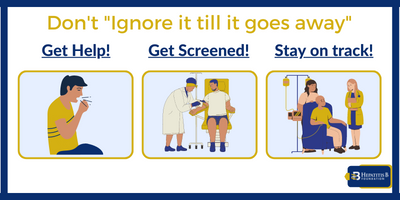
- Get Help!
- If you experience pain or discomfort of any kind, it is important to reach out for help. Set up an appointment with your doctor and discuss your concerns.
- There is a good chance you might be misunderstanding an important health issue for side effects of stress or emotional burnout. Do not ignore your symptoms or feelings.
- Get Screened!
- Hepatitis B is a leading cause of liver cancer, most of the time it is because someone did not know they were infected with hepatitis B or were not managing their hepatitis B infection.
- Everyone should be tested for hepatitis B to know their status. Ask your doctor for a hepatitis B screening today.
- Stay on track!
- If you have hepatitis B, it is critical to manage the progression of the virus in your liver. For this reason, it is important to go through liver cancer surveillance regularly. Discuss with your doctor if you are at high-risk and how often you should get screened.
- It is recommended to get an ultrasound with blood work every 6 months to check how the virus is impacting the liver. This includes the alpha-fetoprotein (AFP) blood test to measure the levels of AFP in your blood as it may indicate the presence of cancer cells in your liver. This can also help detect any scarring or tumors.
Resources and Acknowledgements:
- https://www.cancer.org/cancer/liver-cancer/detection-diagnosis-staging/signs-symptoms.html
- https://www.cancer.org/cancer/liver-cancer/treating/by-stage.html
- https://www.hepb.org/research-and-programs/liver/prevention-of-liver-cancer/


 The Hepatitis B Foundation is thrilled to announce the addition of a new clinical trials search tool to our website! People around the world can now easily search for clinical trial opportunities on the Hepatitis B Foundation website. Created by Antidote – a company that designs technologies to link patients with scientific opportunities – the new tool filters through all of the trials listed in the U.S. National Library of Medicine’s database of private and publicly funded studies. Searching for clinical trials can be time-consuming and confusing to navigate, but this resource eases the process by finding the best trials for you based upon a series of questions.

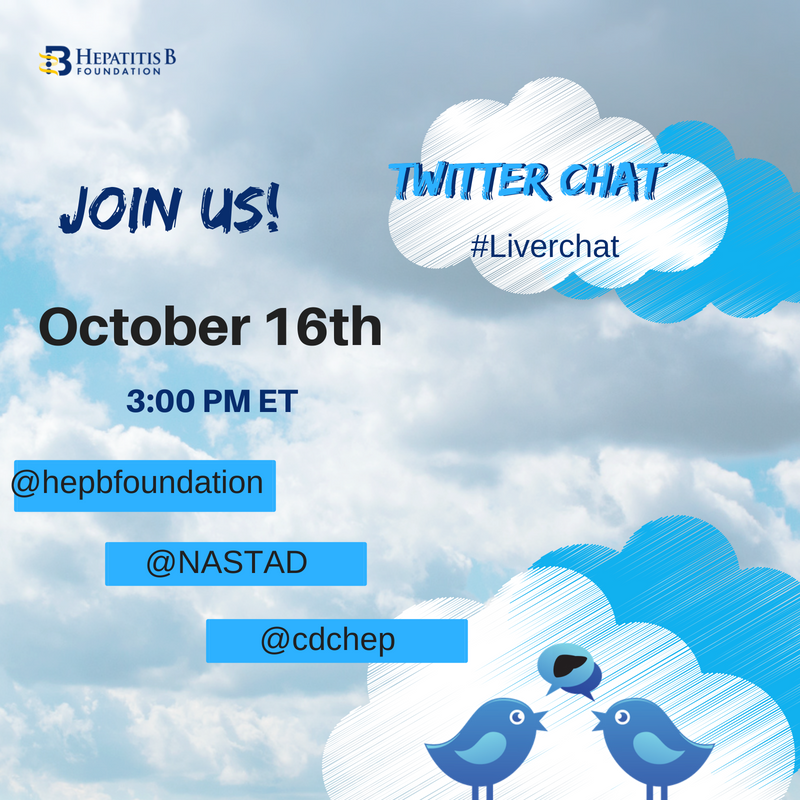 October is Liver Cancer Awareness Month. Often we neglect to think about the link between hepatitis and liver cancer. Tuesday, Oct. 16, representatives from