

Hep B Blog

Tag Archives: hepatitis B

Ten Things You Should Know About Hepatitis B and Do in 2017

Image courtesy of krishna arts at FreeDigitalPhotos.net

By Christine Kukka

It’s 2017, and experts around the world continue to study the complex life cycle of the hepatitis B virus in order to find a chink in its armor that will lead to a cure. In 2016, there were successes and disappointments in the research and healthcare arena. Here is what you need to know about hepatitis B in 2017.

If you’re taking tenofovir, ask your doctor about TAF if you’re experiencing kidney problems or bone loss, especially if you’re an older woman. If you’re taking the antiviral tenofovir (Viread) long-term, ask your doctor about replacing it with TAF (Vemlidy). TAF is a reformulated version of tenofovir that delivers the antiviral more effectively to liver cells at a lower dose.  Currently, doctors prescribe either tenofovir or entecavir for liver damage. Entecavir does not cause bone loss, but it doesn’t work in people who have developed drug resistance to lamivudine or adefovir. For them, tenofovir is the only option, but it can cause bone loss and kidney problems when used long-term. With the U.S. Food and Drug’s recent approval of TAF, consumers can now get tenofovir’s robust antiviral activity at a lower dose. Because it’s brand new, your provider may not know about it, so ask about it to see if it would be better for you.

Was medical or recreational marijuana just approved in your state? Exercise caution. Many in the hepatitis C community have used medically-prescribed marijuana to ease side effects from interferon for years, so many assume it’s also safe for people with hepatitis B. Unfortunately, there are no studies that conclusively prove its safety. One study  that monitored liver fibrosis in 700 people coinfected with HIV and hepatitis C found, “…no evidence for an association between cannabis (marijuana) smoking and significant liver fibrosis progression in HIV/HCV coinfection.”

But another study  concluded: “Cell culture and animal model studies support that (marijuana) could have a therapeutic effect on liver injury and fibrosis progression. However, three cross-sectional studies in patients with chronic hepatitis C suggest that daily cannabis use is associated with fibrosis and steatosis.”

There is also no information indicating if marijuana is safer when it’s consumed in edibles vs. smoked, though many assume smoking introduces more toxins and chemical to the body. Bottom line: Just because your state approved it doesn’t mean marijuana is safe for you. Talk to your doctor and watch for more studies.

Image courtesy of Nanhatai8 at FreeDigitalPhotos.net.

Fight for affordable healthcare for all. Newly-elected federal officials are threatening to fundamentally change a variety of healthcare insurance programs serving moderate- and low-income Americans and roll back protections, including mandated coverage of pre-existing conditions like hepatitis B. Many of these programs and coverage mandates have helped people living with hepatitis B get the care and medications they need. If you want these programs and safeguards to remain, you’re going to have to fight for them. Please check the Hep B United’s website regularly to learn about what is happening with hepatitis B on the federal level, and what you can do as an advocate.

Don’t give up hope. We know it’s been a tough year and that some promising drugs that were in clinical trials were shelved, but don’t give in to despair. There are more drugs in the works. Keep checking the Drug Watch page and clinical trials page to learn the latest.

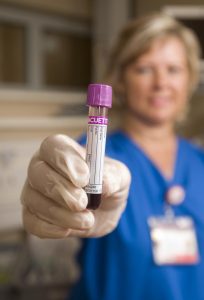
Get monitored regularly. No one likes a blood draw, but it’s important to be tested annually or more often if you have a high viral load and/or signs of liver damage. There may not be a cure yet, but there are effective treatment options. Be brave, protect your health, and go to the lab for your blood test.

Demand to be screened for liver cancer. Some experts say current medical guidelines don’t go far enough to screen us for liver cancer. So take charge of your health and ask for a liver cancer screen, which includes a semi-annual blood test and an ultrasound.  Hepatitis B-infected Asian men (or of Asian descent) over age 40 years and Asian women over age 50 years, patients with a family history of liver cancer, patients with cirrhosis, and Africans over the age of 20 should all be screened. Think you’re not at risk for cancer because you take antivirals? Think again. Antivirals help reduce liver damage, but if you’ve had cirrhosis or are older, the risk of liver cancer remains.

If someone promises a new cure or treatment that sounds too good to be true….it probably is. In our search to be rid of hepatitis B, we may be tempted to yield to clever marketing and try a supplement that promises to cure us. But first, do your homework and practice precaution. To check out an herbal supplement, visit the National Center for Complementary and Integrative Health’s website to see what scientific evidence exists for a supplement and talk to your doctor. There is no magic bullet that will cure hepatitis B. Experts hope to find one soon, but for now be patient and stay skeptical. If you want to safeguard your health, eat healthy foods and avoid alcohol and cigarettes.

Pregnant with hepatitis B? Get your viral load tested and ask your doctor about antivirals. The American Association for the Study of Liver Disease (AASLD) recommends that pregnant women with viral loads (HBV DNA) higher than 200,000 IU/mL (or 1 million copies/mL) receive an antiviral (either tenofovir or telbivudine). The antivirals won’t hurt you or your baby and will reduce the risk that your baby will be infected with hepatitis B to nearly zero, as long as your baby gets the first dose of the hepatitis B vaccine and a dose of HBIG (hepatitis B antibodies) within 12 hours of birth.

Fight discrimination against hepatitis B and know your rights. Hepatitis B should never be a barrier to the education or job you want. Sadly, ignorance and stigma persist. It depends on us, our friends, and our family, to stand up and fight for our civil rights. We can’t back down. If we don’t fight, who will?

Be brave, disclose, and get your friends, family, and lovers screened for hepatitis B and vaccinated. Yes, it will be one of the hardest conversations you will ever have, but if you are infected with hepatitis B, you need to disclose your infection to people who may be at risk. If you just discovered you have chronic hepatitis B, which you may have contracted at birth, you need to tell your siblings and your mother and get them screened and immunized if needed. Dating someone, and about to take the next step? You need to disclose ahead of time and give them information and choices. It builds trust and it’s the right thing to do. You would want the same for yourself. For more on disclosure click here.

Happy 2017!  Our hope for a cure continues.

As of January 2017, TAF has been approved for hepatitis B treatment in the U.S., Europe and Japan.

How to Navigate Disclosure, Denial and Drinking with Hepatitis B During the Holidays

Image courtesy of stockimages at FreeDigitalPhotos.net

By Christine Kukka

With the holidays come  family reunions and parties that can set the stage for some big emotional challenges for people living with hepatitis B.

  • Do we disclose our hepatitis B to our families or keep quiet?
  • Do we remind relatives to get tested and/or treated, or quietly endure their denial?
  • And, can we resist the host who insists everyone should be drinking alcohol with him?

Is this the holiday when we finally tell our parents or siblings about our hepatitis B?

First, take your family’s cultural temperature towards hepatitis B. Historically, in many cultures people with hepatitis B were shunned and could not marry, attend college or advance professionally. If your family still holds some of these baseless beliefs, be prepared to do some educating as you try to dispel their fears and prejudices. Come armed with printed information, website addresses and other material to bolster your family-focused public health campaign.

If you were infected at birth, you may have family members who are also infected. The most valuable gift you may give them is your disclosure and your education, especially if it leads them to get tested, vaccinated and treated.

If you suspect you are the only one in your family who is infected because of a past medical procedures that transmitted the infection, or sexual encounters or injecting drug use, think carefully about disclosing. Are your family members open and accepting? Will they suspend judgement and be supportive? Perhaps you should tell only one or two relatives whom you can trust, or stick to your community of friends. If you have doubts, erring on the side of caution for the time being may be best.

Should you encourage family members to get tested, vaccinated or treated?

If you know hepatitis B runs in your family, then your parents, uncles, aunts and siblings could also be infected. Should you bring up hepatitis B during dinner and encourage them to be treated?

Many people find denial a far more comfortable option than facing the possibility of having hepatitis B, which is why nearly two-thirds of people with chronic hepatitis B remain undiagnosed and untreated. So how do we bring up hepatitis B without sending everyone running from the dinner table?

  • Bring up an interesting fact, “Hey, did you hear that one in 12 Asian-Americans have hepatitis B and two in three don’t know it?”
  • Or ask about a relative’s health history. “I was wondering about grandpa in Vietnam, you said he died from liver problems, do you think it was hepatitis B?”
  • Or try breaking through the stereotypes surrounding hepatitis B. “Everyone thinks you get hepatitis B because you’re promiscuous or do drugs, but actually most Asian-Americans got it at birth.”

Choose a time when there won’t be many distractions. Try talking to a few relatives ahead of time so they are prepared to be supportive when you broach the topic with your family.

Ultimately, we can’t change other people. Our relatives may simply continue to refuse testing and treatment despite our best intentions. We don’t have to let them off the hook completely, but we must accept they are doing the best they can. If we keep our relationships with them open and cordial, they may be willing to talk to us in the future when they are ready to get tested. To view a video of a daughter telling her parents why they should be tested, click here.

How do you politely refuse the host who insists that you drink?

Practice saying no: Often there are people at a party or event who take it as a personal insult if you do not join them and drink alcohol. You need to prepare for their rudeness and be ready to firmly say no. This can take practice, so do some role-playing if needed ahead of time. It gets easier with time.

Prepare a reason for not drinking: Sometimes, those annoying hosts, friends or relatives just won’t give up, so you may have to lie. “Sorry I’m taking medication and I can’t drink.” Or, “My stomach is upset and I want to be able to enjoy all this food.” You never have to disclose your hepatitis B infection in this casual social setting, but you can come up with another reason not to drink.

Leave the event early if you feel uncomfortable. Over the course of a party, people may get more intoxicated and it might get harder to turn down drinks. Consider leaving the party before people reach this stage, besides it’s no fun to be at a party with drunk people when you’re sober anyway.

Find others who are not drinking. Search out people who are not drinking at the event. Those are the people you may want to talk to and enjoy.

Choose a non-alcohol drink: If you’re at a bar or party, no one will know that your seltzer water with a slice of lime is not a gin and tonic. Many bars now serve non-alcoholic beverages so no one will know your drink does not contain alcohol.

The most important thing to do is to not pick up a drink no matter what. One drink all too easily leads to another. Your liver will thank you.

Kate Moraras: Making Sure Federal Policies Work to Eliminate Hepatitis B Locally

Kate Moraras, Hepatitis B Foundation senior program director and Hep B United director.

By Christine Kukka

It’s Kate Moraras’ job to make sure federal programs crafted in the elite halls and federal agencies of Capitol Hill are what’s really needed to eliminate hepatitis B in Asian-American, African and other at-risk communities across the country.

Simply put, her goal is to eradicate, “the most staggering health disparity facing immigrant communities.”

The people on whose behalf Moraras works are among the most vulnerable and powerless in the country. They include Asian-American and Pacific Islander (AAPI) and African immigrants who were infected at birth or by contaminated syringes or medical tools in their countries of origin.

As senior program director at the Hepatitis B Foundation and director of the Hep B United national coalition for the past three years, Moraras has worked with federal officials and dozens of hepatitis community advocates across the country to align federal policy with the need of diverse, hard-to-reach communities.

“I have always been drawn to systems-level change and I saw public health policy as a key area where there are opportunities to make an impact,” she explained. She was energized by the prospect of finding solutions that would improve healthcare at the individual and community level, and she obtained her master in public health at George Washington University.

After graduation, Moraras learned about hepatitis B when she was working on AAPI health disparities in the federal government. “Then, my uncle found out he had chronic hepatitis B when he tried to donate blood,” she recalled. Suddenly, what had been a matter of political injustice became a personal cause and she began working at the foundation.

Moraras knows federal policies don’t succeed unless they make a difference on the streets of America. “Grassroots and culturally-focused organizations are pivotal to eradicating hepatitis B because they know their communities and how they are at risk of hepatitis B,” she explained.

Preventing and treating hepatitis B in immigrant communities requires cultural nuance. Each community has its own language, cultural practices and healthcare beliefs. Many lack insurance coverage and when they finally reach a clinic or doctor’s office, the cultural disconnect creates an insurmountable barrier to learning about this complex disease.

This is why having local organizations whose staff know the culture, speak the language and can bridge the glaring healthcare gap that now stops people from getting vaccinated and treated for hepatitis B is key. “Their communities trust them, which is so critical when it comes to navigating healthcare and communicating accurate information about hepatitis B, a disease that is stigmatized in many AAPI communities. If we want to eradicate hepatitis B in the U.S., we must partner with local organizations and make sure they have adequate resources to do the job.”

Hep B United and the foundation are working to make sure federal policy helps, rather than hinders, these vital, local initiatives.

“Fortunately, we have had champions within the federal government who have taken the opportunity to lead national efforts to address hepatitis B — for example, former Assistant Secretary for Health Dr. Howard Koh who led the development of the National Viral Hepatitis Action Plan and a White House Initiative tasked with specifically focusing on AAPI communities, with a cross-cutting voice and broad reach,” she said.

“CDC now has a multilingual communications campaign, the Know Hepatitis B campaign, to encourage hepatitis B testing among AAPI communities with educational materials in a variety of Asian languages,” she added. At state and local levels, there have been city councilors and state legislators who have become champions who advocate for funding for effective community programs to increase public awareness.

“What remains challenging is the disconnect between local groups providing direct services to people and federal agencies that are working to make and implement policy at the 30,000-foot level,” she said. “For example, we still do not have a national surveillance system to monitor chronic hepatitis B cases and trends and there remains an overall lack of awareness and attention to hepatitis B at the national level. We must all continue to ask for real investment by the federal government to combat hepatitis B.

“We need to build a national hepatitis B grassroots movement, which is something that I would like to see happen through my job and Hep B United in the years ahead,” she added. “We have built a strong coalition that continues to expand every year, we have powerful advocates from local communities who have taken on leadership roles in national hepatitis advocacy and I would like to see our movement continue to grow and translate to the millions of individuals we have the potential to reach.”

Hep B United is a national coalition to address and eliminate hepatitis B, a serious liver infection that is the leading cause of liver cancer.  An estimated 2 million people in the United States are chronically infected with the hepatitis B virus.  Hep B United aims to meet this public health challenge by increasing hepatitis B awareness, testing, vaccination and treatment.

Be Brave: Join a Hepatitis B Clinical Trial and Help Find a Cure

Photo courtesy of CDC.

By Christine Kukka

One of the bravest things people living with hepatitis B can do is participate in a clinical trial  to help find the drug that will one day eradicate the virus that infects more than 240 million worldwide.

There are medical and financial advantages to participating in a trial. We may gain access to a drug that is more effective than what is currently available. We may get free lab tests and medications, and we know we have helped millions of others in the pursuit of a cure.

For example, if you participate in the Hepatitis B Research Network Adult Cohort Study, which is currently collecting data on how hepatitis B affects in 2,500 people in the U.S. and Canada over a five-year period, you helps scientists better understand this disease while getting free annual liver tests.

There are different types of clinical trials, for example some compare the effectiveness of a new drug against current treatments. When TAF, a new formulation of tenofovir, was in clinical trials, one group of patients received TAF and the other received the standard tenofovir drug. Researchers then compared viral loads (HBV DNA) and liver health from the two groups to see if TAF was as effective as tenofovir in lowering viral load and reducing the risk of liver damage.

Other drug trials compare the effectiveness of a new drug against no treatment. In this double-blind study, a control group receives no treatment (a placebo – or sugar pill) and the other group gets the experimental drug. Researchers don’t know until the end of the study which participants received the experimental drug in order to achieve an objective view of a drug’s effectiveness.

Clinical trials are also used to test the accuracy of new monitoring equipment or approaches, or they can help define what screening practices work best in individual immigrant communities.

Photo by Amanda Mills of CDC.

They can also assess the effectiveness of herbal supplements and vitamin D in reducing liver damage or help identify when a pregnant woman should receive antivirals to lower her risk of infecting her newborn.

There are drawbacks to clinical trials that participants need to know. While pharmaceutical companies have spent years developing new drugs and testing them in lab animals before they reach human clinical trials, some drugs will not work.

A recent example of this is the Arrowhead Pharmaceutical’s ARC 520, 521 and AAT drugs, which were in clinical trials on 300 people in 17 countries. Last month, Arrowhead halted the trials after test animals that were receiving much higher doses of the drug died.

And, some trial participants risk getting the placebo instead of the experimental drug. In many of these cases, if the “experimental” drug is successful, those who received the placebo eventually gain access to the new drug. Also, these trials take commitment, including your time, travel and perseverance. But one day, these trials will help find a cure, but it can’t happen without the help of people living with hepatitis B.

How do we find a clinical trial? Most hepatitis B trials are managed by clinical researchers who work at universities, large hospitals or pharmaceutical companies. But you do not have to be a patient at one of these institutes to participate in a trial.

Step 1: Talk to your provider at your clinic, primary care office or liver treatment center and tell them you’re interested in participating in a trial. If you find one you think you’d qualify for, show them the information. Your provider can refer you to a trial even if he or she isn’t participating directly in the trial.

Step 2: Your provider can contact the research center on your behalf, submit an intake form for you, and transfer your patient records after you complete a HIPAA form. Your provider can still continue to care for you even if you join a trial.

Step 3: If you qualify, you may have to travel to the research center at least once. After that, your blood tests and any other lab results can be performed locally and sent to the researchers.

Step 4: Do your research before you participate. Ask questions and make sure you understand how the trial will affect your health. If there’s a chance you’ll get the placebo pill, ask what will happen and if you get access to the drug later on. Make sure you get the information in your primary language and that trial doctors are culturally-sensitive. Trust and knowledge is essential.

Below are some resources to help you. If you need more information, contact the foundation at 215-489-4900 (U.S.) or email info@hepb.org.

Where to find a clinical trial

  • Hepatitis B Foundation’s directory  of hepatitis B-related clinical trials: This resource lists hepatitis B-related clinical trials registered with the U.S. National Institutes of Health. These include hepatitis B-related treatment and liver cancer trials for adults and children in the U.S. and around the world. They also include coinfections, hepatitis D and trials investigating ways to prevent mother-to-children transmission of hepatitis B during childbirth. You can also email the foundation for more information at info@hepb.org.
  • The U.S. National Institutes of Health directory of clinical trials. This is a searchable directory of all NIH-approved clinical trials. You can search by condition and location.
  • Center for Information & Study on Clinical Research Participation: This offers a clinical trial database you can search, and the organization will also help you find clinical trials and email or mail you the information.  Call 877-MED HERO. Allow one to two weeks for response.

To watch a webinar about how to participate in a clinical trial, click here.

Family Getting Together for The Holidays? Time to Talk Hepatitis B and Your Family’s Health History

Image courtesy of Apolonia at FreeDigitalPhotos.net.

By Christine Kukka

When we have chronic hepatitis B, knowing our family medical history can give us an inside edge to fight this infection.

Hepatitis B is an infection that often runs in families. Knowing how our parents, grandparents and aunts/uncles responded to this liver disease can give us insider information about our own genetic prospects with hepatitis B.

Experts estimate that more than half of us worldwide became infected at birth. Our mothers may have been infected with hepatitis B. Immunization, which can prevent infection if administered within 12 hours of birth, was not available to us as newborns, nor to our mothers or grandmothers.

So if we suspect or know our parents have or had hepatitis B, it’s important to find out if our aunts and uncles or grandparents were also infected and had signs of liver damage. Did anyone get liver cancer or die from liver-related problems? Or, did our relatives live long lives due to strong genes, healthy lifestyle choices, and avoiding smoking and alcohol?

Knowing how our genetic predecessors handled this infection gives clues about:

  • How often we should be screened for liver cancer? We should be screened earlier and more often if we have a family history of cancer.
  • How soon should we start treatment? If our predecessors had liver damage at a young age, perhaps we should start treatment sooner rather than wait and endure long periods of liver damage and high viral loads.
  • How effective are our family’s genes in fighting this infection? Did many family members with hepatitis B have liver damage or cancer, or did they have relatively long and healthy lives?
  • What effect did the hepatitis B virus’ strain or genotype play? Depending on the HBV genotype that infects us, we may have different experiences with hepatitis B. We may we develop the hepatitis B “e” antibody earlier if we have certain HBV genotypes. Knowing our relatives’ health history gives us some insight into this.
  • What effect does gender play? Did women experience liver damage or did it only happen to men? The female hormone estrogen is believed to confer some protection against hepatitis B. It may be that men in your family are at highest risk of liver damage and need more frequent monitoring and earlier treatment.
Image courtesy of jk1991 at FreeDigitalPhotos.net.

There are other factors besides genes that affect a multi-generational experience of hepatitis B. Did our grandparent who developed liver cancer suffer poor nutrition for extended periods in their country of origin that weakened their immune system? Did the uncle who had cirrhosis also smoke, drink or suffer exposure to chemicals at work? Could a grandparent who died of liver disease eat moldy rice or corn that contained aflatoxin, which severely damages the liver?

Taken together, all of these factors give us clues to medical conditions that may run in our families, and this knowledge isn’t limited to just hepatitis B. By identifying family patterns of medical problems such as diabetes, heart disease, high blood pressure or breast cancers, healthcare providers can determine if we and our children are at increased risk of a particular condition.

Because knowing your family’s health history is such a powerful tool, the Surgeon General created a free website to help everyone create a portrait of their family’s health at My Family Health Portrait.

After completing the questions, the website creates a personalized “family health tree” that can be saved to a home computer. From there, families may update the information any time. The tool can be shared with other family members, who can add their health information to the portrait. It’s also important to share this portrait with your doctor.

The Surgeon General has declared Thanksgiving to be National Family Health History Day. But whenever your family gathers for a holiday, ask about their medical history. It just might save your life.

Do You Forget Your Daily Hepatitis B Antiviral? Why We “Forget” Our Meds, and How to Improve Compliance

Image courtesy of foto76 at FreeDigitalPhotos.net

By Christine Kukka

Your daily antiviral pill can save your life when you have liver damage from chronic hepatitis B. Entecavir or tenofovir (Viread) quickly reduce the amount of virus in your liver and the damage it causes.

All you have to do is take it. Every day. But 20 to 30 percent of prescriptions are never filled, and about 50 to 70 percent of us don’t take our medications as prescribed. When we stop taking our daily antiviral, hepatitis B can reactivate and threaten our health.

In one study, researchers provided 100 hepatitis B patients with an entecavir pill dispenser that monitored whether or not they took their daily pill over a 16-week period. They found about 70 percent of patients took their antiviral pill as prescribed more than 80 percent of the time — which means these patients were “medication compliant.”

Those who missed taking their antivirals more than 20 percent of the time–and were “noncompliant”–tended to be younger and had indifferent attitudes about whether or not the antiviral was really needed or would work.

Image courtesy of Carlos Porto at FreeDigitalPhotos.net

According to experts, whether we are “medication compliant” or not depends on how much trust we have in our doctors. If we like our healthcare provider and feel comfortable asking questions, we’re much more likely to take our medication on time. And, if our friends and family support and encourage us, we’re even more inclined to take our medication as prescribed.

“The trust I have in my doctor is a big factor,” said a member of the Hepatitis B Support List. “It is important to find a doctor who understands hepatitis B and is willing to work with me in terms of explaining what the options are and what the best approach is in managing my condition.”

“I know antivirals won’t cure me,” another email list member wrote, “but I’m committed to staying healthy and productive as long as God permits.” Continue reading "Do You Forget Your Daily Hepatitis B Antiviral? Why We “Forget” Our Meds, and How to Improve Compliance"

What Stands Between Your Family and a Deadly Disease? Safe and Effective Immunizations

Image courtesy of David Castillo Dominici at FreeDigitalPhotos.net.

By Christine Kukka

Are you dreading taking your kids for their back-to-school vaccinations or wondering if vaccines do more harm than good? Let me tell you about my neighborhood.

Three years ago, a neighbor’s children came down with whooping cough (pertussis). It turns out, the parents didn’t believe in vaccinating their kids. All three children were infected as was their elderly grandmother and two other children down the street.

This family’s refusal to get vaccinated against this highly-infectious respiratory disease threatened the health of the neighborhood. Two doors away, a family had a new baby and the infant’s brother played with the infected children. Babies can’t be vaccinated against pertussis until they’re six months old.

Half of all babies who contract pertussis are hospitalized because they can’t clear the heavy mucus from their lungs. Of those hospitalized, 23 percent get pneumonia and 1 percent die.  Before the pertussis vaccine became available, about 9,000 children died from the infection every year. Luckily, the baby wasn’t infected in this micro-epidemic.

Here’s another example why vaccines are worth the discomfort of a shot. My daughter, born in China, didn’t have access to immunizations, including the birth dose of the hepatitis B vaccine. As a result, she is chronically infected with hepatitis B. Had she been born in a country that immunizes children, she wouldn’t face the 15 to 25 percent risk of dying from liver disease that she faces today.

Immunizations are safe and effective, and they protect our families and our communities, which is why every child should be immunized before they start school this fall. So why doesn’t everyone protect their children?

Image courtesy of arztsamui at FreeDigitalPhotos.net.

Scientist and astrophysicist Neal deGrasse Tyson has a theory about why some people don’t believe science—even when it’s confirmed by objective, clinical data. Examples include conservatives who disavow global warming and, Tyson pointed out, college-educated Americans who don’t vaccinate their children.

In the U.S., it is college-educated parents who make up a large percentage of people who opt out of vaccination. Despite clear, scientific evidence, they believe vaccines pose a higher risk to their children than the diseases they prevent. These parents assume that because so many others immunize their children, these diseases have “gone away” and they don’t have to. It’s a dangerous and arrogant assumption.

Reliance on this “herd immunity” approach, which banks on enough people being immunized so the overall disease risk remains low, doesn’t work. Infectious diseases really never go away, and they come back with a vengeance when a growing number of community members stop vaccinating their children.

The pertussis strain that infected the U.S. and my neighborhood two years ago was a particularly bad one. Researchers believe the vaccine wasn’t 100 percent able to prevent that strain. Viruses mutate and things like this happen. But when it does, having a sizeable portion of a community not immunized acts as an accelerant to an epidemic.

There are already children and adults in every community who can’t be vaccinated (even when they want to be) because of health problems, or they have weak immune systems that do not respond well to immunization, such as the elderly. Herd immunity helps these people with weak immune systems, but it loses its effectiveness when a growing number of people opt out of immunizations and endanger public health.

There is real science confirming the safety and value of immunizations:

  • Before the measles vaccine became available, there were 500,000 measles cases every year in the U.S. and 500 deaths. By 2000, the country had eradicated the infection.  However, in 2014 as more parents opted out of immunizations, the country experienced 667 measles cases in 27 states including an outbreak at Disneyland. Most who caught measles were not immunized.
  • Now let’s look at hepatitis B. According to the CDC, new cases of the deadly liver infection hepatitis B have declined 82 percent since 1991, when universal childhood immunizations became available. Before that, an estimated one in 20 Americans got hepatitis B.

Immunizations have been the medical miracle of the last century. Millions of lives have been saved. In observation of National Immunization Awareness Month this August, make sure your school- or college-bound children are up-to-date with their immunizations. And while you’re at it, check your own immunization record. No one is immune.

Aflatoxin Alert: Moldy Nuts and Corn Increases Your Liver Cancer Risk 60-Times If You Have Hepatitis B

Image courtesy of YaiSirichai at FreeDigitalPhotos.net

By Christine Kukka

One of the biggest health threats to people living with chronic hepatitis B is a toxic, nearly invisible mold called aflatoxin found in corn, peanuts, peanut butter, almonds, Brazil nuts, walnuts and pistachios.

People with hepatitis B who eat food with high levels of aflatoxins face a liver cancer risk that is 60-times above average.

In addition to nuts and grains like quinoa, aflatoxin can be found in figs, milk and cheese, soybeans, dried spices and cottonseed. It is less common in rice, as long as rice is hulled, which removes aflatoxin mold. Continue reading "Aflatoxin Alert: Moldy Nuts and Corn Increases Your Liver Cancer Risk 60-Times If You Have Hepatitis B"

World Hepatitis Day: Because 4,000 Deaths a Day Is 4,000 Too Many


save-7-million-lives-2-212x300By Christine Kukka

The World Health Organization has designated July 28 as World Hepatitis Day, a day to work for global change to eliminate viral hepatitis and the suffering, death and discrimination that accompanies hepatitis B and C by 2030.

From Asia to North America, on this day people around the world raise awareness about viral hepatitis and advocate for better access to treatment and prevention programs and more effective government action. Why? Because 4,000 deaths a day from viral hepatitis is 4,000 deaths too many.

This action is critical, because for too long global leaders have made hepatitis a low priority. Viral hepatitis is a silent disease that causes no symptoms until it’s too late, and many believed the hepatitis B vaccine would simply make the infection go away.

Instead, global health organizations focused on other diseases such as HIV/AIDS, tuberculosis and malaria. HIV especially benefited from unprecedented efforts and donated resources to enable diagnosis and prevention of transmission and to provide treatment at low cost.

Today, we need the same effort and resources to eradicate viral hepatitis, which kill an estimated 1.4 million each year – more people  die from hepatitis annually than from HIV/AIDS and tuberculosis combined.
no-hep-for-all-2-212x300For example, between 5 to 20 percent of the 1 billion people living in Sub-Saharan Africa have chronic hepatitis B Despite this prevalence, there are no widespread screening, education or prevention programs in Africa. The majority of people lucky enough to get screened and diagnosed for hepatitis B are often blood donors, because there are no public health clinics that provide screening for viral hepatitis.

In Asia and Africa, even when pregnant women are diagnosed with hepatitis B, their newborns are often not given that critical, first vaccine dose within 12 hours of birth that would break the mother-to-child hepatitis B infection cycle. The birth dose of the hepatitis B vaccine is either too costly or simply unavailable. Perinatal infection, though preventable, continues to be a major source of chronic infection worldwide. Continue reading "World Hepatitis Day: Because 4,000 Deaths a Day Is 4,000 Too Many"