

This post is by guest blogger Mariam. Mariam works at a charity cancer hospital and is interested in philosophy. She is currently learning french and enjoys spending time by herself and the mountains.
When you are first told that you have a chronic disease that is treatable but has no cure, you are suddenly confronted with an enemy on multiple fronts—you have to fight it within your body, inside your mind, your heart and in the outside world. Chronic hepatitis B: nearly 15 million people are living with it in Pakistan. In the world, 292 million people are silently suffering from this , and most are unaware (which is 9 out of 10 people globally). It is a tragedy that 2 out of 3 liver-related deaths are caused by this infection which is preventable and treatable. There are many reasons why this disease is prevalent in a developing country like Pakistan that lacks a proper healthcare system; where there are no pregnancy screenings or an effective mechanism to ensure babies are vaccinated against this. It’s an infection that can be transferred through blood (most commonly from an infected mother to her baby during delivery) and sexual intercourse and so it is not difficult to understand how this disease travels from one generation to another, silently. Elimination of viral hepatitis by 2030 is one of the millennium goals of the World Health Organization, but we cannot achieve this without dedicated efforts by all the stakeholders that include health-care professionals, patients, media, and policy-makers. I am primarily interested in sharing the patient’s perspective, in hopes that it will encourage others to fight this epidemic.
A Patient’s Point of View
The fact it’s a chronic illness means you are in for the long haul and you have to be prepared to take care of yourself by regular monitoring/medications (depending on what stage you are at) for the rest of your life. One can argue that’s bad but it’s not a big deal as we have people who suffer from high blood pressure, bad eyesight, or diabetes and they also have to regularly take care of themselves. The problem is that hepatitis B is an infectious disease, a fact that contributes towards stigma surrounding its diagnosis. Suffering from flu makes me feel like a hazard to others. Having an infection that I cannot get rid-off certainly makes me feel bad and, in a way, dirty. I have to be cautious and aware that my blood is hazardous for others and I have to be constantly aware of all the possibilities I can be harmful and ways to prevent it. It’s a progressive disease which can be treated at a certain point, so when you go to follow-up appointments, you feel like a ticking bomb is inside you and you need to be able to identify the period when the bomb goes off so you can treat the damage. Because current hepatitis B medications are most effective when there are signs of liver damage, the treatment is often only given during this phase. The inherent uncertainty makes you hate hepatitis B.
Fighting Discrimination and Stigma
Living in a conservative society, if you are one of the few fortunate ones aware of your diagnosis, how do you deal with it? I kept it to myself because I did not want people to define me through my illness. I did not tell my parents or friends because I did not want them to see me as ill or worse, to pity me. I needed time to process it without having to deal with other’s opinions and judgments. Three years ago, I was diagnosed with hepatitis B during regular pre-employment screening. I did not even know anything about this disease. I had a biopsy to determine the stage of the disease. Then I went to a few follow-ups. Unfortunately, after a while, I stopped because I did not want to think about this illness. I wanted to forget about it so I tucked it away, in the farthest corner of my mind. I did not know many people with whom I felt safe talking about this. Until one day, I was at a fundraising event for a charity cancer hospital where I got the chance to sit with a doctor. He was a stranger and a doctor, so in a way I felt safe telling him why I’m so interested in trying to understand where my country stands in the fight against hepatitis B—I told him I was diagnosed with it. At one point he asked me if I’m on treatment, and I honestly told him I am supposed to be on follow-up. He said, “What do you mean, supposed to be?” That slight hint of disappointment made me feel I failed in taking care of myself. It’s easier to sound irrational inside your head but when you share it out loud, it does not feel nice. He told me that first, I need to sort out myself before trying to make a difference in the world of hepatitis B. I am grateful for the brief discussion with him which gave me the courage to think about re-scheduling my long overdue follow-up appointment. It gave me the clarity that I wanted to share my story with others in hopes that those who are fighting hepatitis know they are not alone. Sharing my story also helps me feel that I am not alone either.
I feel it is very important to fight the stigma surrounding hepatitis. Only then we will be able to talk about it and bust the myths. Only then we will be able to discuss ways to fight it on the ground. It is common in a conservative society to put a label on you as defective and exclude you from everything. For instance, marriage is still, by large, the union in this culture after which people have sexual intercourse and have kids; both occasions that can be possible causes of transmission of this virus. If, before marriage, a person is aware of their diagnosis, they can ensure that their partner is vaccinated and safe. However, in this society, there is also a prevalent culture of arranged marriage which makes this whole discussion almost impossible because so-called “perfection” is demanded. I wonder if submitting your hepatitis status with a marriage certificate was compulsory, would it help in data collection and early detection of this disease or would it encourage stereotyping. What if it was possible to vaccinate every child who starts school to be vaccinated against hepatitis B? After all, mandatory vaccinations are common in other countries. But what about children who can’t afford to go to a school? Can we link hepatitis B vaccination confirmation mandatory with every birth certification? This works in many other countries that vaccinate every baby born – we need to able to fight hepatitis B with a strong response such as this.
I also have an obsession with trying to understand this virus that is sharing my body. So my brain imagined a story to help understand how the chronic hepatitis B works. There are the good guys (liver cells) and bad guys (virus) who grew up together quite happily. Until one day, the good guys realized that these other guys are not from amongst us, let’s kill them. There is a battle and then there is collateral damage. What I want to understand is, if the bad guys aren’t harming the good guys, then why does the body start fighting them? And what is the purpose of their existence if they are not bad guys by default? Perhaps one day someone will help answer my questions. Until then, I’ll try to focus on the inevitable fight.
 excited to partner with the
 especially if you are uncertain about how they will react. However, it is extremely important! Even if you are using condoms, it is necessary to let your partner know your status before becoming intimate. Once you tell them, it will be a huge relief!
  show love than by being supportive? If your partner is living with hepatitis B,

 patient groups and civil society networks organized the first ever Nigeria Hepatitis Summit in December 2018. The groups were led by Danjuma Adda, Executive Director of
  * Increased advocacy at state ministries of health to ensure state governments prioritize hepatitis cascade of care
 towards the elimination of this disease and surpass the WHO target. If some of the countries wealthiest individuals contributed just a million dollars each to a National Hepatitis Elimination Project, Nigeria would see profound health benefits for the entire nation.

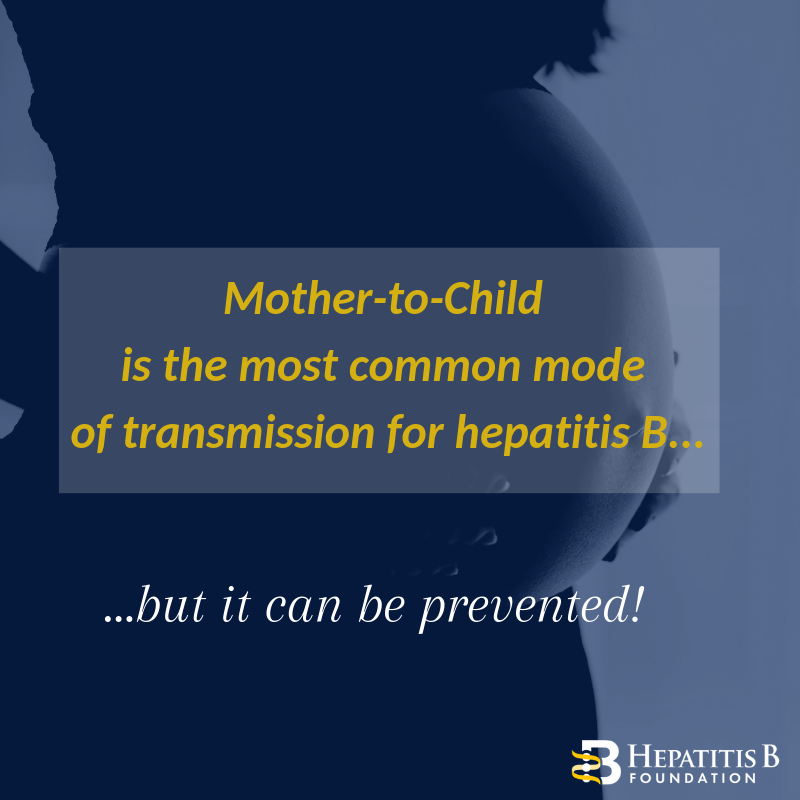 On the other hand, hepatitis B begins as a short-term infection, but in some cases, it can progress into a chronic, or life-long, infection. Chronic hepatitis B is the world’s leading cause of liver cancer and can lead to serious liver diseases such as cirrhosis or liver cancer. Most adults who become infected with hepatitis B develop an acute infection and will make a full recovery in approximately six months. However, about 90% of infected newborns and up to 50% of young children will develop a life-long infection. This is because hepatitis B can be transmitted from an infected mother to her baby due to exposure to her blood. Many infected mothers do not know they are infected and therefore cannot work with their physicians to take the necessary
  With five different types of viral hepatitis, it can be difficult to understand the differences between them. Some forms of hepatitis get more attention than others, but it is still important to know how they are transmitted, what they do, and the steps that you can take to protect yourself and your liver!
  that their primary mode of transmission is through direct blood-to-blood contact with an infected person. Also, both hepatitis B and C can cause chronic, lifelong infections that can lead to serious liver disease. Hepatitis B is most commonly spread from mother-to-child during birth while hepatitis C is more commonly spread through the use of unclean needles used to inject drugs.