


Hep B Blog

Tag Archives: HBV

Diagnosed With Chronic Hepatitis B? What Does Your HBV DNA Test (Viral Load) Tell You?

Image courtesy of Praisaeng, at FreeDigitalPhotos.net.

If you have been diagnosed with chronic hepatitis B, your doctor has probably run several blood tests that show if the infection is harming your liver and identify what stage of infection you are in.  Doctors consider all of these results when deciding if you need treatment and how often you should be monitored.

In this blog, we’ll examine how one of the tests — the HBV DNA or viral load test –can give you a snapshot into your hepatitis B infection and your health. The HBV DNA test  is performed on a blood sample using a Polymerase Chain Reaction (PCR) technique that rapidly generates HBV DNA fragments so they can be measured. Today, viral load is usually measured using international units per milliliter (IU/mL). However, in the past it was measured in copies per milliliter (copies/mL), and in some regions and labs, it is still used.

If you ever need to convert copies into international units, there are about 5.6 copies in one international unit, so 5,000 copies/mL equals about 893 IU/mL. Remember to keep copies of your lab information on file so you can track your status. An Excel spreadsheet works great.

The sensitivity of HBV DNA tests may vary with each lab so it’s a good idea to use the same lab for your test. Labs usually measure down to less than 200 IU/mL. Below the threshold, the viral load is considered “undetectable” – something everyone with chronic hepatitis B wants to hear.

How HBV DNA results are presented mathematically on your lab report can be confusing. Because the amount of virus in the blood may be very high – in the millions or billions – the result may be displayed as an exponent or a log, rather than a whole number. You may need to convert these numbers to fully understand them.

What does viral load say about what stage of the virus you are in? Your viral load also varies over time depending  on the “stage” of hepatitis B infection. That is why regular monitoring is so important. 

Children and adults in the “immune tolerant” stage can have viral loads in the millions or even billions. It sounds scary, but it’s not unusual. Your viral load can remain very high for decades until your immune system begins attacking the virus. Most children and young adults who test positive for the hepatitis B “e” antigen (HBeAg) generally have high viral loads, though doctors typically don’t treat patients in this stage. Once their immune systems get rid of HBeAg and generate “e” antibodies (HBeAb), their viral loads begin to decline and liver enzymes (ALT/AST) normalize.

Adults with undetectable or low viral loads and no signs of liver damage are in an “inactive” stage. Adults with normal ALT (SGPT) levels, which usually indicate no current  liver inflammation, and undetectable or viral loads less than 2,000 IU/mL generally do not require treatment. However, it is important to confirm with your doctor that there is no evidence of advanced liver disease. This phase may be lifelong, decades, or not long at all. That is why monitoring in this inactive phase remains important.

People in the “active” stage with elevated viral loads and signs of liver damage need treatment. These may be people that are HBeAg positive and unable to seroconvert and lose HBeAg and gain the antibody without experiencing significant liver damage. There may be a pattern of SGPT/ALT elevation that cycles up and down over time without mounting an adequate immune response to seroconvert. This can be dangerous, causing liver damage, which is  why regular monitoring is key. You want to give your immune system the opportunity to try to mount an immune response and seroconvert but not at the expense of extensive liver damage. That’s why a knowledgeable doctor is so important!

Many people in their 40s, 50s or 60s, develop HBeAg-negative hepatitis B, though this may occur in younger individuals as well. Although individuals may have seroconverted and lost HBeAg (HBeAg negative/HBeAb positive), the virus is able to mutate allowing it to keep replicating, putting these patients at risk of liver damage. They may see the viral load start to creep up along with SGPT/ALT. Eventually they may require treatment with antivirals based on clinical guidelines doctors follow to manage their patients. Once again, monitoring is key!

Why is it important to measure HBV DNA during treatment? When daily antiviral pills (either tenofovir or entecavir) are prescribed, doctors measure your HBV DNA to see if the drug is working to reduce your viral load. Antivirals work by meddling with the viral DNA so the virus cannot reproduce effectively. Doctors measure your viral load to make sure the antiviral is working.

Why is measuring viral load important if you’re pregnant? Today, all pregnant women are screened for hepatitis B, and experts also want their viral loads to be measured. When pregnant women have high viral loads—exceeding 200,000 IU/mL—medical guidelines recommend antiviral therapy during their third trimester of pregnancy to reduce their risk of infecting their newborns. Babies born to HBV-infected women can become infected even if they are immunized at birth and treated with HBIG (hepatitis B antibodies) if their mothers have high viral loads.

It is important to remember that a viral load test provides you with important information, but it must be considered in relation to your other HBV and liver function tests results to determine if treatment is needed at all, or if you are responding favorably to current treatment. Although an undetectable or low viral load is good news, it does not necessarily guarantee that you have not, or will not experience liver damage. Hepatitis B is a tricky virus. Talk to your liver specialist about all of your test results.
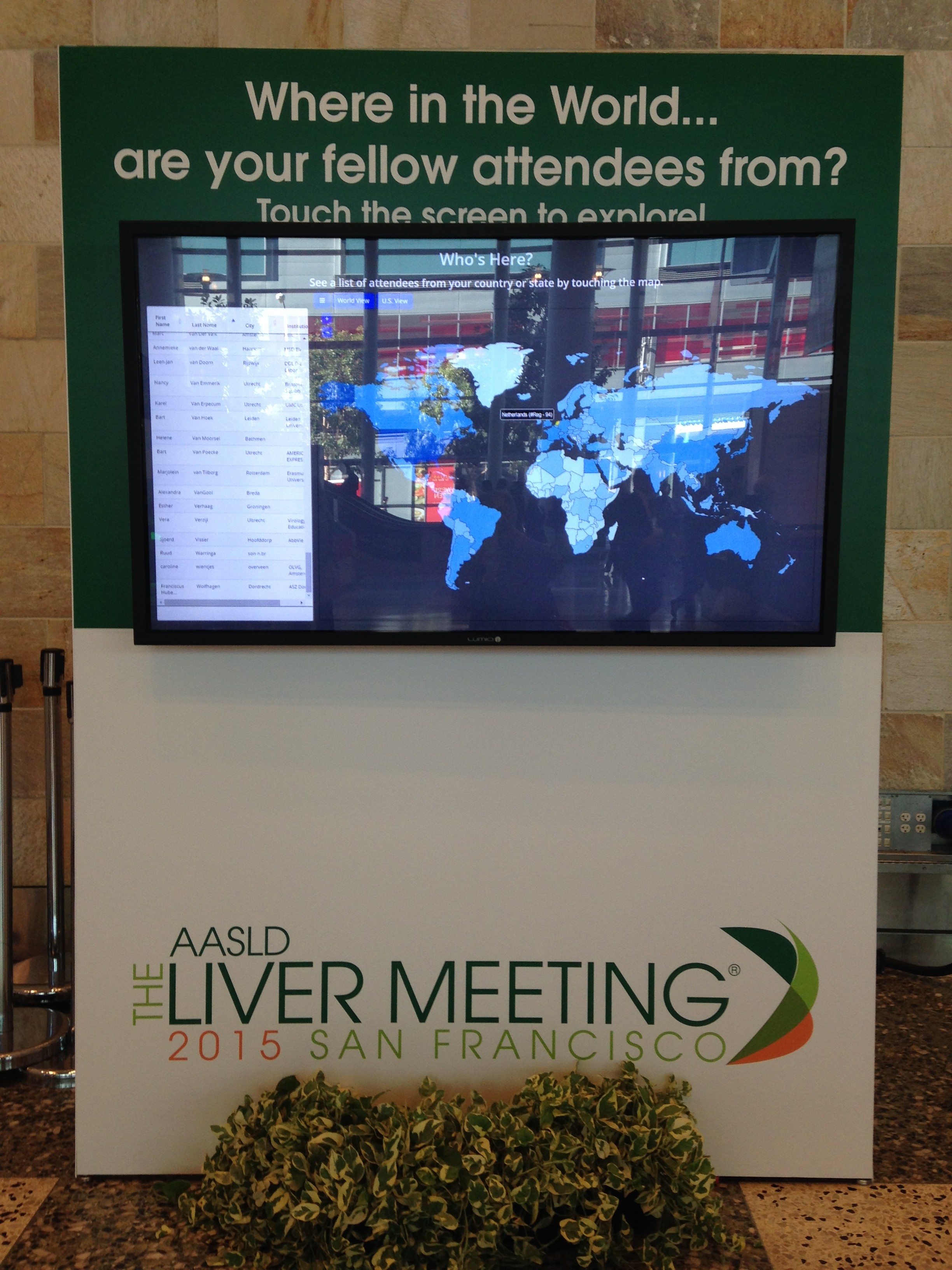

New Hepatitis B Treatment Guidelines Revealed at AASLD 2015 Conference

IMG_1369

The American Association for the Study of Liver Disease (AASLD), the organization that defines how doctors should treat hepatitis B and other liver ailments, unveiled new hepatitis B treatment guidelines this week at its annual conference in San Francisco.

The new guidelines are published here.  Patients should review them and discuss any updates that address their individual conditions with their physicians. Continue reading "New Hepatitis B Treatment Guidelines Revealed at AASLD 2015 Conference"

Get Tested for Liver Cancer, Your Life May Depend on It

Image courtesy of David Castillo Dominici at FreeDigitalPhotos.net

October is Liver Cancer Awareness Month. It may be a sleeper of a event when compared to other health campaigns, but for us who live with viral hepatitis, it’s an uncomfortable but critical reminder of the importance of monitoring our liver health to prevent cancer.

Viral hepatitis, especially B and C, are viral infections that can cause liver cancer  (also called hepatocellular carcinoma or HCC.) Researchers are still studying why some people are more prone to liver cancer, but we who live with chronic hepatitis B or C have a 25 to 40 percent lifetime risk of developing liver cancer. The infection, which hijacks our liver cells to manufacture more virus, causes inflammation, scarring and even cancer as the liver cells grow out of control.

The longer we are infected with viral hepatitis, the higher our risk of developing liver cancer. While liver cancer often occurs in people with cirrhosis (severe liver scarring), some of us develop cancer without cirrhosis. Continue reading "Get Tested for Liver Cancer, Your Life May Depend on It"

Growing Older with Hepatitis B: Prevention and Precautions Still Matter

Image courtesy of Ambro at FreeDigitalPhotos.net

Most people living with chronic hepatitis B today are over age 50, and like their younger counterparts, they need to prevent spreading hepatitis B to their sexual partners, housemates, and neighbors in assisted living facilities.

You’re never too old for safe sex: You may not have to worry about pregnancy any more, but you still need to protect yourself and your partner against sexually transmitted diseases such as hepatitis B. Using a condom (and keeping a barrier between you and potentially infectious body fluids) is essential because many seniors have not been immunized against hepatitis B.

The widespread marketing of erectile dysfunction drugs allows for sex by older men, and thinning and dryness of vaginal tissue in older women may raise their risk of infection during intercourse. Continue reading "Growing Older with Hepatitis B: Prevention and Precautions Still Matter"

The Hepatitis B Patient Community Loses Its “Mom”

Hep B List "parents" Sheree Martin and Steve Bingham at a 2005 patient conference.
Hep B List “parents” Sheree Martin and Steve Bingham at a 2005 patient conference.

The hepatitis B community recently lost its much-loved advocate, resource and “mom,” Sheree Martin. She was co-owner of the Hepatits B Information and Support List from 1998 to 2011 and comforter and consultant to thousands of people around the world who live with hepatitis B.

The reach of her kindness and wisdom cannot be under-estimated. In the early days of hepatitis B, when medical treatment was misguided and stigma ran rife, Sheree nurtured a safe, online community that provided reassurance and accurate medical information. For many, it was the first time they were able to share the confusion, loneliness and frustration of living with chronic hepatitis B with people just like them. Continue reading "The Hepatitis B Patient Community Loses Its “Mom”"

Preparing for College, Dating and Disclosing Hepatitis B

Image courtesy of jesadaphorn at FreeDigitalPhotos.net

When my daughter, who has chronic hepatitis B, packed for her freshman year of college, I peppered her with warnings about the need for standard precautions and condoms. I suggested wording for a future conversation where she would disclose her infection and negotiate safe sex with a potential partner.

I hoped these verbal dress rehearsals would empower and protect her, especially if that potential boyfriend turned her down. I wanted her to know that any rejection would not be about her or her hepatitis B, it would be about his fears. Continue reading "Preparing for College, Dating and Disclosing Hepatitis B"

Celebrate World Hepatitis Day By Making Hepatitis B History

Joan M. Block, Co-Founder and Executive Director

By Joan M. Block, RN, BSN
Executive Director and Co-Founder, Hepatitis B Foundation

Tuesday, July 28, is World Hepatitis Day, which commemorates the birthday of Dr. Baruch S. Blumberg, who won the Nobel Prize in Medicine for identifying the hepatitis B virus and developing a vaccine to prevent it. This year also marks the 50th anniversary of the discovery of the hepatitis B virus – a discovery that has literally saved hundreds of millions of lives.
Continue reading "Celebrate World Hepatitis Day By Making Hepatitis B History"

World Hepatitis Day: Preventing Hepatitis B in New York City

Screen Shot 2015-07-19 at 10.22.51 AMBy Vivian Huang, MD MPH,
Hepatitis B Program Director
at the Charles B Wang Community Health Center, NYC

World Hepatitis Day is commemorated on July 28 every year.  The date was selected to honor the birthday of the Nobel Laureate Professor Baruch Blumberg, who discovered the hepatitis B virus. Continue reading "World Hepatitis Day: Preventing Hepatitis B in New York City"

Join Hep B United and Watch the Hep B Summit Online!

hepb-united-btnThe Hep B United Summit in Washington D.C., starting Sunday afternoon and running through Monday, July 26 and 27, can be viewed LIVE and in real time on Periscope. Plus, you can follow the conversation on Twitter with #HepBSummit! Continue reading "Join Hep B United and Watch the Hep B Summit Online!"

HBV Journal Review – June 2015

ChrisKHBF is pleased to connect our blog readers to Christine Kukka’s monthly HBV Journal Review that she writes for the HBV Advocate. The journal presents the
 latest in hepatitis B research, treatment, and prevention from recent academic and medical journals. This month, the following topics are explored:

  • HBV Liver Cancer Requires Aggressive Treatment from the Start
  • Experts: Treat Cirrhotic Patients, Even if Viral Load Is Low
  • Some Patients Can Safely Stop Antiviral After Four Years
  • Tenofovir Safe and Effective in Pregnant Women with Drug Resistance
  • Researchers Discover Why Children Become Chronically Infected
  • Expert Recommends Treatment for Mental Confusion from Cirrhosis
  • Antivirals Increase Survival After Liver Cancer Treatment
  • HBV Patients with Diabetes Have a Higher Risk of Liver Cancer
  • Long-term Antiviral Use Increases Hip Fracture Rates Slightly
  • Second Vaccine Series May Be Needed for Children with Celiac Disease
  • Researchers Find HBV B Strain in Cuba Did Not Come from Africa

Continue reading "HBV Journal Review – June 2015"