
Hep B Blog

Category Archives: Hepatitis Delta (HDV)

Hepatitis B and Delta Coinfection: A Public Health Crisis in Mongolia


Mongolia is one of the world’s most sparsely populated countries yet is home to the highest infection rates of hepatitis B and delta coinfection worldwide1. The World Health Organization (WHO) estimates that about 5-10% of the nearly 300 million global hepatitis B patients are co-infected with hepatitis delta. Hepatitis delta is the most severe form of viral hepatitis, and greatly increases the risk of cirrhosis, scarring of the liver, and liver cancer; with seven out of 10 patients progressing within 10 years 4. In Mongolia, 70% of hepatitis B patients are coinfected with hepatitis delta, and the country is known for having the highest rates of liver cancer on the planet2,3. These statistics are startling and highlight a public health crisis for Mongolia, where most families have at least one family member affected 2.

How are people getting infected?

Historically, healthcare-related exposures are suspected to be the biggest risk for contracting hepatitis in Mongolia. Despite the 1993 national policy was set to regulate the multi-use of single-use syringes in healthcare settings, effective sterilization practices, and medical staff training, proper inspections remain an ongoing issue. Healthcare workers themselves are also at risk, with requirements for hepatitis B vaccination set by the Ministry of Health recently in 20145. Although routine infant vaccination for hepatitis B began in 19916, older populations remain at risk or are susceptible to exposures.

Treatment Access

For a nation so widely affected by liver disease, as of 2015, skilled physicians and liver transplant experts are sparse – with only one reported team performing transplants in Ulaanbaatar, the capital city1. Fibroscan, CT scans, and liver biopsies; routine screening tools for liver disease and liver cancer, have only been introduced in recent years, and are still not routinely used for liver cancer screening as recommended by WHO7. This lack of surveillance leaves most patients to endure late diagnoses. Due to the rural landscape, where nearly 30% of the population lives below the poverty line10 and historically nomadic lifestyle accessing care is a challenge. Access to treatment for hepatitis B is additionally a challenge, and traditional medicines might be utilized. Pegylated interferon, the only current and somewhat effective treatment for hepatitis B and delta coinfection, was registered about 10 years ago in Mongolia and is still not covered by its national healthcare system, making it too expensive for most low and middle-income families8. With the help of partnerships, the government has integrated funding for palliative care for liver cancer patients, with most facilities centralized around the capital city7. With a failing insurance system and little government prioritization for prevention and treatment, many are calling on the World Health Organization (WHO), pharmaceutical companies and NGOs to step in to curb the crisis9.

Hope

Mongolia’s crisis has not been left unaddressed. Over the last 10 years, Mongolia’s government has prioritized combatting hepatitis, developing its first viral hepatitis national strategy in 2010, and focusing on prevention, affordable treatment, and public awareness programs. Admirably, coverage under the national insurance plan for antivirals began in 2016, greatly subsidizing the cost of hepatitis B treatment11. These efforts did not go unnoticed, and in 2018, WHO praised Mongolia’s efforts in moving towards the elimination of hepatitis B and C, recognizing its successes in its national program, “Whole-Liver Mongolia”. Another program, “Hepatitis Free Mongolia”, an initiative of the Flagstaff International Relief Effort (FIRE), Flagstaff Rotary Club, Rotary Club of Ulaanbaatar and the WHO, offers free hepatitis education, screening, vaccination and care for those infected. The project also trains healthcare providers and offers free exams, diagnostic services and patient counseling; a vital service for many who may not be able to access or afford these services otherwise. Since 2011, the project, along with FIRE’s Love the Liver program have tested nearly 9,000 people for hepatitis B, screened 6,000 for liver cancer and performed over 3,000 specialist exams, and, in a country of only 3 million people, has made a meaningful impact. The effort is also unofficially supported by Mongolia’s Ministry of Health, who is continually investing in efforts to curb the burden of hepatitis.

References:

1. “Viral Hepatitis in Mongolia: Situation and Response.” World Health Organization, 2015, iris.wpro.who.int/bitstream/handle/10665.1/13069/9789290617396_eng.pdf.

2. “Hepatitis: A Crisis in Mongolia.” World Health Organization, 2017, www.who.int/westernpacific/news/feature-stories/detail/hepatitis-a-crisis-in-mongolia.

3. Rizzetto, Mario. (2016). The adventure of delta. Liver International. 36. 135-140. 10.1111/liv.13018.

4. Abbas, Z., Abbas, M., Abbas, S., & Shazi, L. (2015). Hepatitis D and hepatocellular carcinoma. World journal of hepatology, 7(5), 777–786.

5. Baatarkhuu, Oidov & Uugantsetseg, G & Munkh-Orshikh, D & Naranzul, N & Badamjav, S & Tserendagva, Dalkh & Amarsanaa, J & Young, Kim. (2017). Viral Hepatitis and Liver Diseases in Mongolia. Euroasian Journal of Hepato-Gastroenterology. 7. 68-72. 10.5005/jp-journals-10018-1215.

6. Davaalkham, Dambadarjaa & Ojima, Toshiyuki & Uehara, Ritei & Watanabe, Makoto & Oki, Izumi & Wiersma, Steven & Nymadawa, Pagbajab & Nakamura, Yosikazu. (2007). Impact of the Universal Hepatitis B Immunization Program in Mongolia: Achievements and Challenges. Journal of epidemiology / Japan Epidemiological Association. 17. 69-75. 10.2188/jea.17.69.

7. Alcorn, Ted. (2011). Mongolia’s struggle with liver cancer. Lancet. 377. 1139-40. 10.1016/S0140-6736(11)60448-0.

8. “Country Programme on Viral Hepatitis Prevention and Control.” World Health Organization, Western Pacific Region, 2015, www.wpro.who.int/mongolia/mediacentre/releases/20160318_viral_hep_prevention_control/en/.

9. Jazag, A., Puntsagdulam, N., & Chinburen, J. (2012). Status quo of chronic liver diseases, including hepatocellular carcinoma, in Mongolia. The Korean journal of internal medicine, 27(2), 121–127. 10. “Poverty in Mongolia.” Asian Development Bank, 2019, www.adb.org/countries/mongolia/poverty.

11. National Academies of Sciences, Engineering, and Medicine; Health and Medicine Division; Board on Population Health and Public Health Practice; Committee on a National Strategy for the Elimination of Hepatitis B and C; Strom BL, Buckley GJ, editors. A National Strategy for the Elimination of Hepatitis B and C: Phase Two Report. Washington (DC): National Academies Press (US); 2017 Mar 28. 1, Introduction. Available from: https://www.ncbi.nlm.nih.gov/books/NBK442230


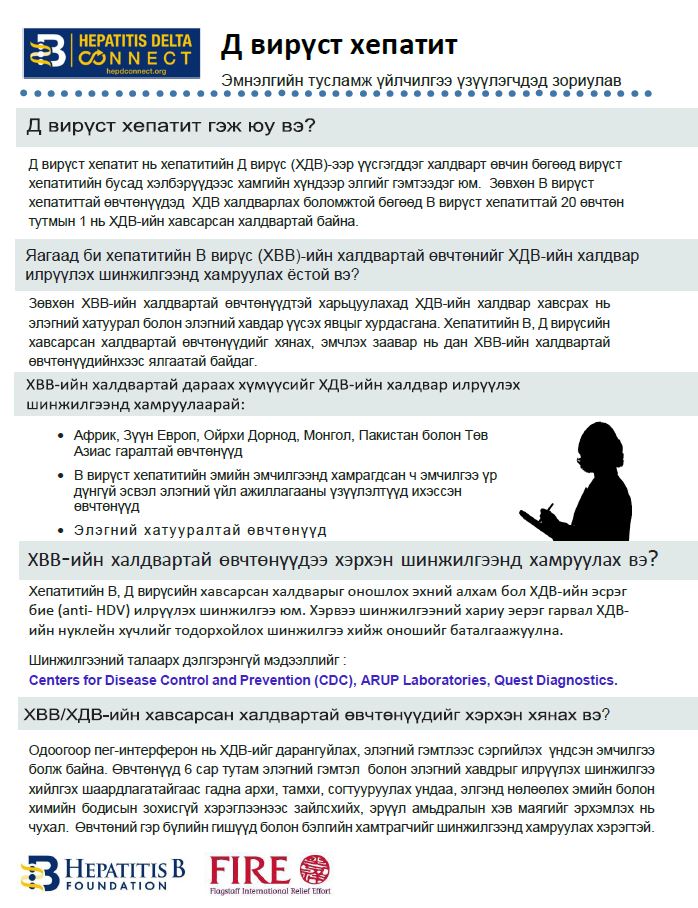
Printable Hepatitis Delta Fact Sheets for At-Risk Populations (Available in 5 Languages!)


Hepatitis delta is estimated to affect 15-20 million people globally who are also living with hepatitis B. Hepatitis delta’s geographic distribution is not uniform, and does not always follow regions of highest hepatitis B prevalence. Although more recent data is sparse, regions of higher coinfection are thought to be in Mongolia, Eastern Europe (particularly Romania, Russia, Georgia, Turkey), Pakistan, the Middle East and the Amazonian River Basin. The American Association for the Study of Liver Diseases (AASLD) recommends that hepatitis B patients from these areas be tested for hepatitis delta. If you are a community member or community health worker or physician, please utilize our printable fact sheets to help raise awareness about hepatitis B and delta!

Fact sheets are available in 5 languages, including English, Mongolian, Romanian, Russian and Spanish!

English for Patients    English for Providers

Mongolian for Patients   Mongolian for Providers

Romanian for Patients   Romanian for Providers

Russian for Patients   Russian for Providers

Spanish for Patients   Spanish for Providers

For more information on hepatitis B and delta coinfection, visit www.hepdconnect.org or contact us at connect@hepdconnect.org.

My Hepatitis B Viral Load is Low (Or Undetectable), Am I Still Infected with Hepatitis Delta?

For people who have been diagnosed with chronic hepatitis B and delta coinfection, a low or undetectable hepatitis B viral load does not usually indicate that they’ve cleared both infections. This is because, in cases of coinfection, hepatitis delta usually becomes the dominant virus, and suppresses hepatitis B, slowing or even stopping its replication entirely. If someone is still positive for the hepatitis B surface antigen (HBsAg), the hepatitis delta virus can still replicate (often with copies in the millions) and cause potential liver damage  1For this reason, the test to measure hepatitis delta activity, the HDV RNA test, is important in disease monitoring and management  2,3. Available since 2013, the HDV RNA test can be acquired internationally through the Centers for Disease Control and Prevention (CDC), and from several labs in the US. 

For those suspected of having acute hepatitis B and delta coinfection, HBsAg testing should follow 6 months after initial diagnosis. If HBsAg is negative (non-reactive), both infections are likely to have cleared. It’s important to remember that people who contract hepatitis B and delta during one exposure are likely to clear both viruses.  If HBsAg is positive (reactive) after 6 months, both infections are likely chronic (life-long). Those who are known to have a chronic hepatitis B infection and then become infected with hepatitis delta later on, they are likely to develop chronic coinfections 

Following diagnosis with hepatitis B, with or without delta coinfection, it is important to have close, household contacts and sexual partners screened, and to follow simple prevention measures and practice safe sex using condoms.  

Both hepatitis B and delta are prevented with the safe and effective hepatitis B vaccine series.  

For more information on hepatitis B and delta coinfection, visit www.hepdconnect.org or contact us at connect@hepdconnect.org 

References: 

  1. Huang, C. R., & Lo, S. J. (2014). Hepatitis D virus infection, replication and cross-talk with the hepatitisB virus. World journal of gastroenterology20(40), 14589–14597. 
  2. YurdaydınC, Tabak F, Idilman R; Viral Hepatitis Guidelines Study Group. Diagnosis, management and treatment of hepatitis delta virus infection: Turkey 2017 Clinical Practice Guidelines. Turk J Gastroenterol 2017; 28(Suppl 2); S84-S89. Available at: https://www.turkjgastroenterol.org/sayilar/304/buyuk/S84-S89.pdf 
  3. Tseng, C. H., & Lai, M. M. Hepatitis delta virus RNA replication.Viruses1(3), 818–831.  

Hepatitis B Foundation: Now Part of the NORD Rare Disease Community!

We’re pleased to announce that the Hepatitis B Foundation (HBF) is now a member of NORD, the National Organization for Rare Disorders, representing our program, Hepatitis Delta Connect. NORD is a patient advocacy organization dedicated to individuals with rare diseases and the organizations that serve them. We will join 280 other patient organization members, all committed to the identification, treatment, and cure of rare disorders through programs of education, advocacy, research, and patient services.

Although globally, hepatitis delta is estimated to affect 15-20 million people, in the U.S. it is classified as a rare disease, as it is estimated to affect less than 200,000 people. The complicated nature of the virus and limited prioritization contribute to the gap in awareness, resources, testing practices and adequate treatments for hepatitis B and delta coinfection. Joining NORD will help amplify our voice, raise awareness about hepatitis delta in people living with chronic hepatitis B, provider and pharmaceutical communities and contribute to health policy efforts.

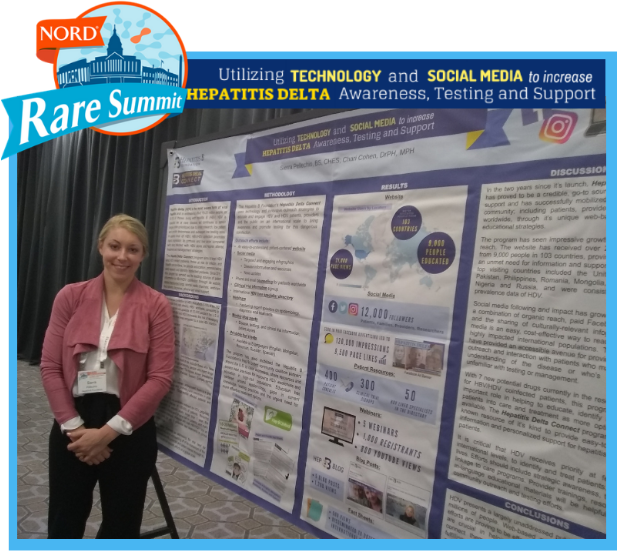
Hepatitis Delta Connect has previously been active with NORD through participating in rare disease Twitter chats and presenting a poster at the NORD Rare Action Summit in October 2018. We’re very excited to be a part of the coalition, and to be spreading awareness about hepatitis delta!
For more information about Hepatitis Delta Connect, visit www.hepdconnect.org or email connect@hepdconnect.org.

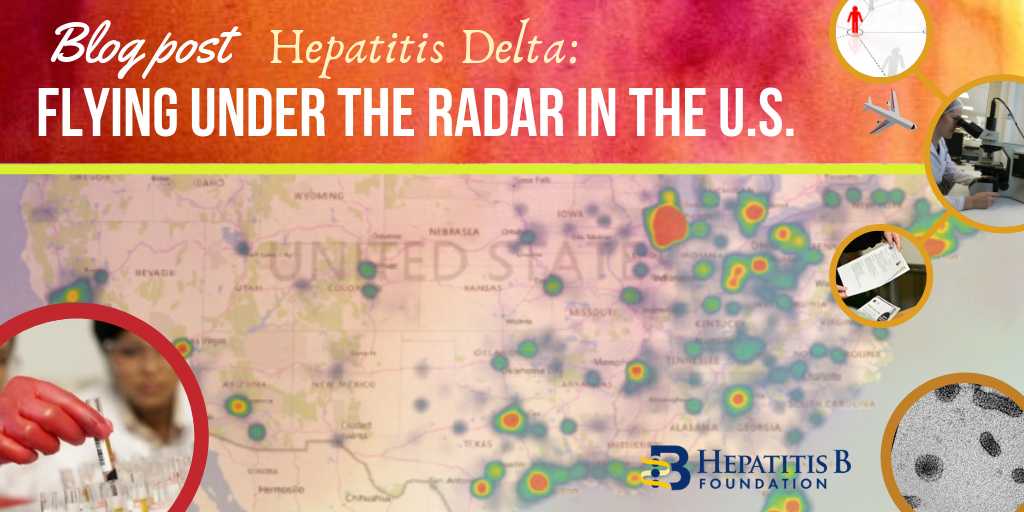
Hepatitis Delta: Flying Under the Radar in the U.S.

As of 2019, the Centers for Disease Control and Prevention (CDC) requires over 100 diseases, infections and conditions – including hepatitis A, B and C – to be reported by state and local health departments. Physicians who diagnose these conditions, and diagnostic laboratories, are required to report confirmed and/or suspected cases to health departments, who then notify the CDC. This requirement allows the government to monitor disease patterns and track outbreaks to contain the spread of disease and protect the public. While all other forms of viral hepatitis are federally ‘reportable’, hepatitis delta cases are not required to be reported. Hepatitis delta is the most severe form of viral hepatitis, and spreads similarly to hepatitis B; through blood and sexual fluids, making it a public health threat, particularly for the 2.2 million people who already have hepatitis B in the U.S.

Hepatitis delta can only be contracted along with hepatitis B or after someone is already infected with hepatitis B. Acute cases can cause liver damage and even liver failure, and in chronic cases, can accelerate the rate of liver disease progression, as there are no effective treatments available. Although estimated to affect 5-10% of hepatitis B patients, hepatitis delta is severely underdiagnosed, leaving the true disease burden largely unknown in the U.S. and worldwide.

In conjunction with awareness efforts, adding hepatitis delta as a reportable disease could reveal a more accurate prevalence landscape of hepatitis B and delta coinfection and allow for more effective prevention efforts. The CDC asserts that “reporting of cases of infectious diseases and related conditions has been and remains a vital step in controlling and preventing the spread of communicable diseases,1” yet hepatitis delta has still been left out of the list of nationally reportable diseases. While notifying CDC is only voluntary2, 23 states have designated hepatitis delta infections as reportable to local and state health departments, allowing for surveillance of outbreaks, particularly relevant to the current nationwide opioid crisis.

Worchester, Massachusetts, which is currently experiencing a hepatitis A outbreak, also saw one of the worst hepatitis delta outbreaks in the country in the mid 1980’s. The infection was seen among drug users and their sexual partners, sickened 135 people, and killed 15. In those infected with hepatitis B, delta coinfection was present in 54% of drug users and 33% of their sexual partners3
. Interestingly, in Massachusetts, only labs (and not clinicians) are required to report hepatitis delta cases. The reporting requirement allowed the state to be alerted of a spike in cases and respond accordingly – a luxury many other states may not have if neither labs nor clinicians are required to report in their state.

Some states are even scaling back their surveillance; in 2016, New York State removed hepatitis delta from their list of reportable diseases, citing just 21 cases in a two-year period and a health code that asserts a “providers obligation” to “report unusual manifestations of novel strains of hepatitis.”4. Although hepatitis delta is more common outside the U.S., there is evidence to suggest persistent and even growing prevalence. A 2016 prevalence map presented by Eiger BioPharmaceuticals revealed New York City as a “hot-spot” for hepatitis delta cases5. Although more recent prevalence studies are sparse, and often include only small sample sizes, several have noted increases in hepatitis delta coinfection among certain groups. One study in Baltimore, published in 2010, compared blood samples from drug users in the 1980’s to samples obtained from 2005-2006 – and found a 21% increase in hepatitis delta coinfection among people already chronically infected with hepatitis B6. A 2015 study analyzed the blood records of 2,100 hepatitis B positive veterans – nearly 4% were coinfected7. A larger study, analyzing chart records of 500 chronic hepatitis B patients in California found that 8% of patients had a delta coinfection8. Another 2018 publication utilized data from 2011-2016 from the National Health and Nutrition Examination Survey (NHANES) and estimated there to be over 350,000 Americans with past or current hepatitis delta9.

While the true burden of hepatitis delta in the U.S. is debated, one study that analyzed diagnosis codes for over 170 million people showed 10,000 coinfected patients newly diagnosed in 2016 alone4. The American Association for the Study of Liver Diseases (AASLD) recommends delta testing in high-risk groups, but countless journals and leading hepatologists have called for universal testing of hepatitis B patients for hepatitis delta9,10,11  which could reveal thousands of unknown infections. Low awareness, testing, and the lack of inclusion on the notifiable diseases list contribute to the unclear picture of prevalence in the U.S. Inconsistent reporting across states creates holes in data collection and opportunities for missed outbreaks and subsequent treatment and prevention efforts. Adding hepatitis delta to the list of reportable diseases nationally could be the key to understanding who this ‘hidden epidemic’ is affecting, and where, and allow for effective surveillance to prevent future infections.

For more information about Hepatitis Delta Connect or hepatitis delta, visit www.hepdconnect.org or email connect@hepdconnect.org.

References:

1. Centers for Disease Control and Prevention. (1990, June 22). Mandatory Reporting of Infectious Diseases by Clinicians. Morbidity and Mortality Weekly Reports. Retrieved from https://www.cdc.gov/mmwr/preview/mmwrhtml/00001665.htm.

2. Centers for Disease Control and Prevention. (2018). National notifiable diseases surveillance system (NNDS): Data collection and reporting. Retrieved from https://wwwn.cdc.gov/nndss/data-collection.html

3. Lettau, L. A., McCarthy, J. G., Smith, M. H., Hauler, S. C., Morse, L. J., Ukena, T., et al. (1987). Outbreak of severe hepatitis due to delta and hepatitis B viruses in parenteral drug abusers and their contacts. N Engl J Med, 317(20), 1256-1262.

4. The City of New York. (2016). Hepatitis D and E and other suspected infectious viral hepatitides reporting. Retrieved from http://rules.cityofnewyork.us/tags/reportable-diseases.

5. Martins, E and Glenn, J. Prevalence of Hepatitis Delta Virus (HDV) Infection in the United States: Results from an ICD-10 Review. Poster Sa1486 DDW May 2017.

6. Lauren M. Kucirka, Homayoon Farzadegan, Jordan J. Feld, Shruti H. Mehta, Mark Winters, Jeffrey S. Glenn, Gregory D. Kirk, Dorry L. Segev, Kenrad E. Nelson, Morgan Marks, Theo Heller, Elizabeth T. Golub, Prevalence, Correlates, and Viral Dynamics of Hepatitis Delta among Injection Drug Users, The Journal of Infectious Diseases, Volume 202, Issue 6, 15 September 2010, Pages 845–852.

7. Kushner, T., Serper, M., & Kaplan, D. E. (2015). Delta hepatitis within the veterans affairs medical system in the United States: Prevalence, risk factors, and outcomes.

8. Gish, Robert & Yi, Debbie & Kane, Steve & Clark, Margaret & Mangahas, Michael & Baqai, Sumbella & A Winters, Mark & Proudfoot, James & Glenn, Jeffrey. (2013). Coinfection with Hepatitis B and D: Epidemiology, Prevalence and Disease in Patients in Northern California. Journal of gastroenterology and hepatology. 28. 10.1111/jgh.12217

Phase 3 Clinical Trials Opening for Hepatitis Delta Patients

Phase 3 clinical trials have been announced for two drugs, Lonafarnib and Myrcludex (Bulevirtide) for the treatment of hepatitis B and delta coinfection.
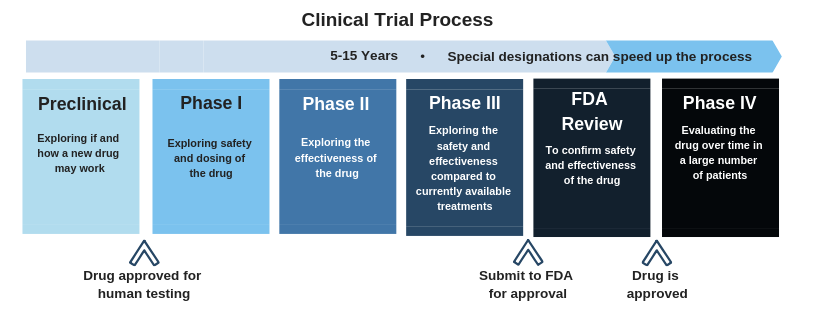
Phase 3 studies compare new possible treatments to the current standard treatment, to see if it is more effective and/or safer than the current standard of care. Phase 3 studies are randomized control trials, which means that patients will be assigned to one of several different treatment groups. These studies usually evaluate the new treatment over a long period of time but special designations by the U.S. Food and Drug Administration (FDA) and the European Medicines Agency (EMA), such as Fast Track, Orphan Drug, Breakthrough Therapy Designations and PRIME eligibility status will speed up this process and bring these drugs to approval more quickly. Because the only currently approved treatment for hepatitis delta is pegylated interferon, which is often less than 30% effective, there is an unmet need for faster development of more treatment options.

Phase 3 clinical trials for Lonafarnib are currently recruiting hepatitis B and delta coinfected patients in the United States. Ninety-two international trial site locations have also been announced and will take place in Belgium, Bulgaria, Canada, France, Germany, Greece, Israel, Italy, Republic of Moldova, New Zealand, Pakistan, Romania, Span, Switzerland, Taiwan, Turkey, United Kingdom and Vietnam. This clinical trial, run by Eiger Biopharmaceuticals, will test the new drug Lonafarnib in combination with other treatments. For more information about the study, visit www.D-LIVRstudy.com or clinicaltrials.gov.

Bulevirtide, made by MYR-GmbH Pharmaceuticals, has also announced that its phase 3 clinical trials will be opening in 2019. Trial site locations have not been announced yet. For more information about this study, visit clinicaltrials.gov.Click here for more information on locating additional clinical trials. If you are considering joining a clinical trial, discussing it with your liver specialist can be helpful in determining if joining a trial may be right for you.

It is very important for hepatitis B and delta patients to be managed by a doctor, preferably a liver specialist, who is familiar with managing hepatitis B and delta coinfection. For assistance in locating a specialist near you, please visit our Physician Directory page. For additional questions, please visit www.hepdconnect.org or email connect@hepdconnect.org.

Where Can I Order Hepatitis Delta Testing?

By Sierra Pellechio, BS, CHES, Hepatitis Delta Connect Program Manager

Historically, testing for hepatitis delta has been difficult to access and often not commercially available. With the rise in awareness about hepatitis B and delta coinfection, more tests are beginning to be offered by multiple labs for clinicians in the United States looking to test their patients. Because hepatitis delta can only infect people who also have hepatitis B, the Hepatitis B Foundation’s medical director and leading hepatologist Dr. Robert Gish recommends testing all hepatitis B patients for hepatitis delta. “Screening all hepatitis B patients will allow a better understanding of hepatitis delta prevalence and its impact on outcomes and will identify patients who can be offered treatment within or outside clinical trials.”

The first step in diagnosing an infection is the HDV antibody total (anti-HDV) test. Patients who have recovered from or are currently infected will be positive for the anti-HDV and will present high titers in later stages of acute infection and persist in cases of chronic infection. If the HDV antibody total test is positive, it should be followed by the HDV RNA (PCR) test to confirm an active infection. If this test is negative, a current infection is unlikely.

Testing hepatitis B patients for hepatitis delta is important because when people with hepatitis B are exposed to the hepatitis delta virus, 90% will develop a chronic infection1. Coinfection will alter treatment and management plans, because antivirals effective on hepatitis B do not control hepatitis delta2. While the standard treatment of interferon is less than 30% effective in controlling coinfection, there are new drugs in development. With two of these drugs set to enter phase 3 clinical trials in 2019, it is more important than ever to identify coinfected patients and connect patients into clinical trials.

Until recently, only the anti-HDV test was widely available in the United States. In February 2019, Quest Diagnostics began offering HDV RNA testing, making it easier for patients and their physicians to access this more detailed level of testing. A complete list of labs offering testing is below.

Quest Diagnostics (US)

Tests Offered:

ARUP Laboratories (US) 

Tests Offered:

Cambridge Biomedical (US, Limited States)

Tests Offered:

Mayo Clinic Laboratories (US)

Tests Offered:

Viracor (US)

Tests Offered:

Centers for Disease Control and Prevention (CDC) (US & International)

Tests Offered:

  • HDV Antibody Total
  • HDV RNA
  • Genotyping

Disclaimer: This may not be a comprehensive list of all available labs offering testing.

Please note, if you are a patient in the U.S. and wish to be tested for hepatitis delta, these tests must be ordered through a clinician.

It is very important for coinfected patients to be managed by a liver specialist who is familiar with managing coinfected patients. For assistance in locating a specialist near you, please visit our Physician Directory page. For additional questions, please visit www.hepdconnect.org, email connect@hepdconnect.org, or call our hotline at 215-489-4900.

References:

  1. Hooks, B., Billings, J., & Herrera, J. (2009). Hepatitis D Virus. Practical Gastroenterology.

2. Farci, P., & Anna Niro, G. (2018). Current and Future Management of Chronic Hepatitis D. Gastroenterology & hepatology, 14(6), 342-35

What is silymarin (milk thistle), and is it helpful for managing my hepatitis B and D?


Silymarin, an herb and extract of milk thistle seeds, is a supplement commonly taken by hepatitis patients across the world, yet its proven benefits remain controversial. It is not a treatment for hepatitis B or D, nor has it been shown to have any effect against fighting the viruses. This herb is believed to have possible benefits on liver health due to its antioxidant and free radical fighting properties, although no studies have found a consistent positive effect on viral load or fibrosis scores 1 .

Silymarin is often taken by patients or suggested by their health care provider during or after interferon treatment ends, presumably with the hope of a protective or anti-inflammatory effect on the liver. But a 2013 study on hepatitis C patients unsuccessfully treated with interferon (the standard treatment for hepatitis B and D coinfection) found no significant difference in silymarin’s ability to lower ALT scores over placebo, a pill with no active drug ingredients 2 . Another 2013 metanalysis reviewed 8 studies which tested silymarin against a placebo and looked for measurable levels of improvement in ALT scores, of which the results were mixed and inconsistent1.

Interestingly, several studies have found improvements in patients’ self-reported patient quality of life after taking silymarin 1 – perhaps due to decreased stress or self-perceived control over their health. However, a 2012 study which randomly assigned patients either silymarin or placebo to measure possible declines in ALT or virus levels, in addition to self-reported quality of life, found little to no improvement in any of these outcomes3 regardless of whether they took milk thistle or a placebo.

As mentioned in our previous blog post, the U.S. National Institutes for Health (NIH) has published a directory of what scientific research has discovered about common herbal supplements. Probably the most popular herbal supplement pitched as a liver remedy is milk thistle, and its extract silymarin. The NIH milk thistle report found, “Previous laboratory studies suggested that milk thistle may benefit the liver by protecting and promoting the growth of liver cells, fighting oxidation (a chemical process that can damage cells), and inhibiting inflammation. However, results from small clinical trials of milk thistle for liver diseases have been mixed, and two rigorously designed studies found no benefit.”

The verdict on silymarin? Due to mixed literature and lack of proven improvements, patients should not rely on silymarin as a treatment for hepatitis B or D, and should discuss any new prescription recommendations with their doctor. Silymarin will not counterbalance damage done by hepatitis B or D viruses. While some studies have found silymarin to be well tolerated with low side-effects6, individual reactions can vary. In the U.S., supplements including silymarin are not regulated by the Food and Drug Administration (FDA), making the true contents of supplements unknown. For these reasons, patients should be cautious about supplements and consider additional ways to improve their overall health. Lifestyle changes including eating a nutritious, balanced diet, avoiding alcohol and cigarettes, and getting regular exercise have been repeatedly proven to have the ability to lower ALT and AST numbers4,5. It is understandable why many patients may turn to herbal supplements for possible health benefits, but without more consistent regulation, and proven clinical benefit, investing in overall healthy lifestyle changes may prove most beneficial.

It is very important for hepatitis B and D patients to be managed by a doctor, preferably a liver specialist, who is familiar with managing coinfected patients. For assistance in locating a specialist near you, please visit our Physician Directory page. For additional questions, please visit www.hepdconnect.org or email connect@hepdconnect.org.

Disclaimer: Herbal products are not U.S.FDA approved, and the Hepatitis B Foundation cannot endorse the usage of such products that lack regulation and scientific evidence to deem them both effective and safe.

References

1. Polyak, S. J., Ferenci, P., & Pawlotsky, J. M. (2013). Hepatoprotective and antiviral functions of silymarin components in hepatitis C virus infection. Hepatology (Baltimore, Md.), 57(3), 1262-71.

2. Fried, M. W., Navarro, V. J., Afdhal, N., Belle, S. H., Wahed, A. S., Hawke, R. L., Doo, E., Meyers, C. M., Reddy, K. R., Silymarin in NASH and C Hepatitis (SyNCH) Study Group (2012). Effect of silymarin (milk thistle) on liver disease in patients with chronic hepatitis C unsuccessfully treated with interferon therapy: a randomized controlled trial. JAMA, 308(3), 274-82.

3. Fried MW, Navarro VJ, Afdhal N, et al. Effect of Silymarin (Milk Thistle) on Liver Disease in Patients with Chronic Hepatitis C Unsuccessfully Treated with Interferon Therapy: A Randomized Controlled Trial. JAMA.2012;308(3):274–282. doi:10.1001/jama.2012.8265

4. Rusu, E., Jinga, M., Enache, G., Rusu, F., Dragomir, A. D., Ancuta, I., Draguţ, R., Parpala, C., Nan, R., Sima, I., Ateia, S., Stoica, V., Cheţa, D. M., Radulian, G. (2013). Effects of lifestyle changes including specific dietary intervention and physical activity in the management of patients with chronic hepatitis C–a randomized trial. Nutrition journal, 12, 119.

5. St George A, Bauman A, Johnston A, Farrell G, Chey T, George J Gastroenterol Hepatol. 2009 Mar; 24(3):399-407.

6. Rambaldi, Andrea & P Jacobs, Bradly & Gluud, Christian. (2007). Milk thistle for alcoholic and/or hepatitis B or C virus liver diseases. Cochrane database of systematic reviews (Online).

Ask An Expert: Managing Hepatitis Delta During Pregnancy


  What is the standard treatment for hepatitis delta and how long is it taken?

 

Although there are no standard guidelines for the treatment of hepatitis delta, pegylated interferon has been shown to be effective for some patients. It is usually administered via weekly injections for 1 year or more and is able to cure roughly 15-40% depending on the length of time that treatment is administered. Although many patients see declines in their hepatitis delta virus levels, most do not maintain long-term control following the conclusion of treatment.
Can pregnant hepatitis delta patients be treated with interferon?


Interferon has not been proven to be safe for administration during pregnancy and should not be administered. It may be harmful to the baby.


What is the best way to manage a hepatitis delta infection during pregnancy, if interferon cannot be used?


A liver specialist may continue to manage the hepatitis B infection during pregnancy through antiviral treatment. The American Association for the Study of Liver Diseases (AASLD) recommends antiviral treatment during the third trimester of pregnancy for women with high hepatitis B viral loads.

How can hepatitis B and delta transmission be prevented to the baby?


Because a hepatitis B infection is required for someone to become infected with hepatitis delta, transmission from mother to child can be prevented with the hepatitis B vaccine. Centers for Disease Control and Prevention (CDC) guidelines recommend the first dose within 12 hours of birth, along with and a dose of HBIG (hepatitis B immunoglobulin), followed by the additional 2 vaccine shots; one at 1 month and the final one at 6 months old. The vaccine, along with HBIG and hepatitis B antiviral treatment (if necessary) greatly reduce the risk of transmission to the baby. In resource-limited countries, the World Health Organization (WHO) recommends the first dose of the hepatitis B vaccine within 24 hours of birth, followed by the additional shots on the recommended schedule. Once the vaccination series is completed, the baby should be protected for life against hepatitis B and delta.

If hepatitis delta cannot be treated during pregnancy, do most women have progression of their liver disease during pregnancy?


 While some women may see progression of their liver disease, due to the relative short length of pregnancy, most women do not show clinical signs of advancing liver disease.


What treatment should follow delivery? 


Following delivery, the mother may resume interferon treatment as long as she is not breastfeeding. Interferon treatment while breastfeeding could be harmful to the baby. As for all patients, keeping up-to-date on the latest hepatitis delta clinical trials could provide access to new, experimental treatments that may be more effective. For a global list of clinical trials for hepatitis delta, visit the clinicaltrials.gov web page.

It is very important for all pregnant women who are hepatitis B and delta positive to be managed by a liver specialist who is familiar with managing coinfected patients. For assistance in locating a specialist near you, please visit our Physician Directory page. For additional questions, please visit www.hepdconnect.org or email connect@hepdconnect.org.

Nearly 1 in 4 Romanians with Hepatitis B also Infected with Hepatitis D


By Sierra Pellechio, Hepatitis Delta Connect Coordinator

Since the 1990’s most of Eastern Europe has seen a decline in the prevalence of hepatitis D, a dangerous coinfection of hepatitis B, attributed to successful vaccination programs and government prioritization. Romania, which has the highest hepatitis B prevalence in the EU, has not seen such declines of hepatitis D, which affects 23% of its hepatitis B patients. Hepatitis D coinfection is considered hyperendemic to the country, and has some of the highest rates of coinfection globally1. Seventy percent of these 200,000 patients will progress to cirrhosis, often within only 10  years2, and face barriers to receiving effective treatment and management. Although the country enacted a national hepatitis B vaccination program for all newborns in 1995 and a catch-up program for school-age children in 1999, older populations already infected with hepatitis B and inadequately immunized young people represent susceptible groups for coinfection with hepatitis B and disease.1,3. Additionally; lack of hepatitis B vaccination recommendations for high risk groups, low implementation of hepatitis B screening during pregnancy, supply shortages and vaccine hesitancy, have created opportunities for hepatitis B and D transmission. Exposure to infected blood or sexual fluids through blood transfusions or surgeries (before the 1990’s), tattoos, piercings, injection drug use, or sexual contact with an infected person, can expose people already living with hepatitis B to hepatitis D, or expose those who have not received the full hepatitis B vaccine series to both viruses. Control of hepatitis B and D coinfection has also been hindered by the lack of a national registry and surveillance system thus preventing an understanding of the accurate prevalence and public health burden1.

With health expenditure and life expectancy the lowest in the EU, Romania is battling large system-wide failures that have fostered the persistence of hepatitis B and D in its population5.

Dr. Florin Caruntu, of the National Institute of Infectious Diseases in Bucharest, has suggested that there is a general low level of awareness and screening among health care providers in Romania, which has led to late diagnoses and cost many patient lives. For patients who are diagnosed, investigational testing is not covered by the national insurance house, placing a financial burden on patients to pay out of pocket for the additional testing necessary to manage their coinfection. With pegylated interferon injections as the only semi-effective treatment option, even diagnosed patients struggle to effectively control their coinfection and even less are connected to clinical trials. Although there are 7 new drugs in clinical trials, progress has lagged behind patient need for new therapies, many of whom are living with cirrhosis.

Increased government investment in the healthcare system, including medical training and education programs for provider awareness, updated protocols and coverage of investigational testing, would pave the way for increased patient identification and navigation to successful care. As clinical trials continue to progress, it is critical that Romania be a top consideration for clinical trial sites, as patients anxiously await more effective treatment options.

For more information on HDV in Romania, please watch our webinar featuring expert speaker, Dr. Florin Caruntu, of the National Institute of Infectious Diseases in Bucharest, Romania.

For more information about hepatitis B/D coinfection and the Hepatitis Delta Connect program, please visit www.hepdconnect.org or email us at connect@hepdconnect.org. If you are a hepatitis delta patient, and wish to receive information about upcoming clinical trials, please enter your information here. Hepatitis Delta Connect seeks to provide information, resources and support for hepatitis B/D patients and their families through its website, social media, fact sheets, webinars  and hepatitis D liver specialist directory.

1. Hepatitis delta virus infection in Romania: Prevalence and risk factors. (2015). Journal of Gastrointestinal and Liver Diseases, 24(4) doi:10.15403/jgld.2014.1121.244.dtv

2. Noureddin, M., & Gish, R. (2014). Hepatitis delta: Epidemiology, diagnosis and management 36 Years after discovery. Current Gastroenterology Reports, 16(1), 1-8. doi:10.1007/s11894-013-0365-x

3. Ruta, S. M., Matusa, R. F., Sultana, C., Manolescu, L., Kozinetz, C. A., Kline, M. W., & Cernescu, C. (2005). High prevalence of hepatitis B virus markers in Romanian adolescents with human immunodeficiency virus infection. Journal of the International AIDS Society, 7(1), 68-68. doi:10.1186/1758-2652-7-1-68

4. Gheorghe, L., Csiki, I. E., Iacob, S., & Gheorghe, C. (2013). The prevalence and risk factors of hepatitis B virus infection in an adult population in Romania: A nationwide survey. European Journal of Gastroenterology & Hepatology, 25(1), 56.

5. OECD/European Observatory on Health Systems and Policies (2017), Romania: Country Health Profile 2017, State of Health in the EU,OECD Publishing, Paris/European Observatory on Health Systems and Policies, Brussels. http://dx.doi.org/10.1787/9789264283534-en