

Hep B Blog

Category Archives: Hepatitis B Diagnosis & Monitoring

Growing Older with Hepatitis B: Prevention and Precautions Still Matter

Image courtesy of Ambro at FreeDigitalPhotos.net

Most people living with chronic hepatitis B today are over age 50, and like their younger counterparts, they need to prevent spreading hepatitis B to their sexual partners, housemates, and neighbors in assisted living facilities.

You’re never too old for safe sex: You may not have to worry about pregnancy any more, but you still need to protect yourself and your partner against sexually transmitted diseases such as hepatitis B. Using a condom (and keeping a barrier between you and potentially infectious body fluids) is essential because many seniors have not been immunized against hepatitis B.

The widespread marketing of erectile dysfunction drugs allows for sex by older men, and thinning and dryness of vaginal tissue in older women may raise their risk of infection during intercourse. Continue reading "Growing Older with Hepatitis B: Prevention and Precautions Still Matter"

When Is That Pain Hep B-related and When Is It Something Else?

Image courtesy of Ohmega1982 at FreeDigitalPhotos.net

When people with chronic hepatitis B experience abdominal pain, we often wonder if it’s related to our liver and if our hepatitis B is getting worse.

According to experts, hepatitis B rarely causes abdominal pain. Here are some insights to help you understand what might be behind your abdominal pain when you live with chronic hepatitis B.

First, it’s not called the silent infection for nothing. When first infected, most children and nearly 70 percent of adults never experience any direct symptoms from hepatitis B. When people do have symptoms, such as aches, nausea and fever, they usually last for only a few days. Only a very small percentage have symptoms that persist long-term. Continue reading "When Is That Pain Hep B-related and When Is It Something Else?"

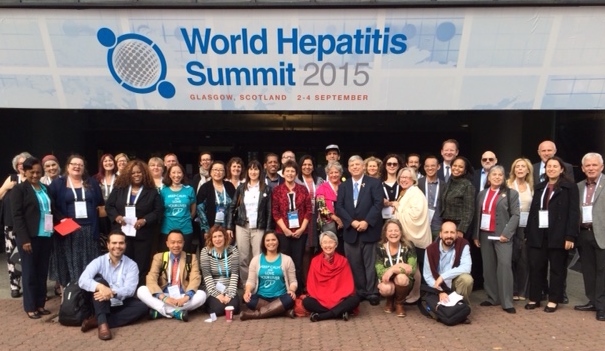
First World Hepatitis Summit Focuses on Global Plan for Elimination by 2030

The joint North and South Americas group build relationships across borders to eradicate hepatitis B.
The North and South Americas group builds relationships to eradicate viral hepatitis.

The mood was euphoric. It was a love fest, actually. Last week, more than 600 policy makers, public health experts, and representatives from non-governmental organizations and patient advocacy groups from 80 countries were invited to participate in the first World Hepatitis Summit in Scotland hosted by the World Hepatitis Alliance in partnership with the World Health Organization (WHO). The Hepatitis B Foundation was pleased to be invited and to speak during the pre-summit meeting as well.

The message was serious. Hepatitis B and C kill more people each year than HIV/AIDS and tuberculosis, and combined are the seventh-leading cause of death worldwide, yet viral hepatitis as a global health concern remains mostly invisible and under-funded. Continue reading "First World Hepatitis Summit Focuses on Global Plan for Elimination by 2030"

Growing Older with Hepatitis B: Why Testing for Liver Damage Still Matters

Image courtesy of Witthaya Phonsawat at FreeDigitalPhotos.net

Around the world, older adults bear the greatest burden of hepatitis B. Born before the childhood vaccination became available, about 4.7 percent of U.S. adults over age 50 have been infected and their chronic hepatitis B rate is nearly two-fold higher than in younger adults.

The 50-plus generation has lived with with chronic hepatitis B for decades, and over time their risk of liver damage, cirrhosis, and cancer has steadily increased. That is why it is very important that older adults living with this infection see their physicians regularly and have tests for liver damage and cancer performed as needed. Continue reading "Growing Older with Hepatitis B: Why Testing for Liver Damage Still Matters"

Summertime Strategies to Protect Your Liver: Enjoy a Dose of Sunlight and Vitamin D

Grace Wong, associate professor of gastroenterology and hepatology at The Chinese University of Hong Kong

Catching 15 minutes of sunlight three times a week and drinking water instead of sugary drinks are two of the easiest and most natural ways to protect against liver cancer and other types of liver damage when you live with hepatitis B.

Sunlight doesn’t cure hepatitis B, but it spurs production of vitamin D, which appears to help prevent a number of cancers and other liver problems.

The liver appears to play a vital role in metabolizing vitamin D, and when you have healthy vitamin D levels, your body’s cells behave and grow normally. But when you have a vitamin D deficiency, communication between your cells breaks down, which can lead to abnormal cell growth and cancer. Continue reading "Summertime Strategies to Protect Your Liver: Enjoy a Dose of Sunlight and Vitamin D"

Expert Calls for Viral Load Testing in All Pregnant Women with Hepatitis B

Dr. Ravi Jhaveri, an infectious disease specialist at the University of North Carolina at Chapel Hill School of Medicine, talks to parents.

Today, all pregnant women are routinely screened for hepatitis B, but a growing number of doctors say this single test doesn’t go far enough to protect the health of women and children.

In a commentary published in the medical journal Pediatrics,  infectious disease specialist Dr. Ravi Jhaveri calls for a mandatory second test in pregnant women infected with hepatitis B. This test would measure the amount of hepatitis B virus (HBV) in her body (called viral load).

When women have high viral loads, their newborns can become infected even if they are immunized at birth and treated with HBIG (hepatitis B antibodies) to prevent infection. Continue reading "Expert Calls for Viral Load Testing in All Pregnant Women with Hepatitis B"

Four Things Fathers Affected by Hepatitis B Can Do for Themselves and Their Families

Image courtesy of photostock at FreeDigitalPhotos.net

Father’s Day, June 21, is a day to celebrate the contributions men make in their children’s lives. It’s also a good day for fathers to acknowledge how valuable they are to their families and how important it is to take care of their health.

Living with chronic hepatitis B can be challenging. Here are some things dads can do to take care of themselves or family members infected with hepatitis B.

1. Get outside and soak in some sunlight and some vitamin D. People with hepatitis B who have vitamin D deficiencies have higher rates of liver damage, cirrhosis and cancer. A healthy diet provides vitamin D, but 80 percent of our vitamin D comes from 15 minutes of exposure to sunlight two to three times a week. So get outside and walk, garden, exercise and soak in some healthy sunlight.

Continue reading "Four Things Fathers Affected by Hepatitis B Can Do for Themselves and Their Families"

Highlights of the New WHO Chronic Hepatitis B Guidelines

UnknownHave you had an opportunity to take a look at the new World Health Organization (WHO) guidelines for the treatment of those with chronic hepatitis B?

Guidelines developed by other medical organizations including AASLD, EASL, and APASL were focused mainly on the prevention, care and treatment of hepatitis B for those living in higher income countries. The new WHO guidelines were developed with low-and-middle-income countries (LMICs) in mind, though they are certainly applicable in high-income countries as well. Continue reading "Highlights of the New WHO Chronic Hepatitis B Guidelines"

HBV Journal Review – January 2015

ChrisKHBF is pleased to connect our blog readers to Christine Kukka’s monthly HBV Journal Review that she writes for the HBV Advocate. The journal presents the
 latest in hepatitis B research, treatment, and prevention from recent academic and medical journals. This month, the following topics are explored:

  • Having Hepatitis B and a Family Member with Cancer Raises Cancer Risk Dramatically
  • VA Tests Only 21.8% of Its Patients for Hepatitis B, Missing Many at Risk of Infection
  • Research Shows Importance of HBV Screening Before Chemotherapy Begins
  • Younger Age and Low HBsAgLevels Benefit Patients Who Stop Antivirals
  • Doctors Debate Benefits of Interferon vs. Antiviral Treatment
  • New Study Finds Fibroscan Accuracy on Par with Liver Biopsies
  • Mild Kidney Problems and Bone Loss Linked to Antivirals
  • Hepatitis B Vaccine Effectiveness Challenged

Continue reading "HBV Journal Review – January 2015"

Perspective on the Liver Biopsy – “The Gold Standard”

carey_william_original

Have you noticed fewer patients living with chronic HBV seem to get liver biopsies to assess liver damage?  Here is a perspective on the Liver Biopsy, known as the “gold standard”, by William Carey, MD, Division of Gastroenterology and Hepatology of the Cleveland Clinic.

Published in Healio , July 14, 2014 

Liver biopsy is referred to as the “gold standard” in assessing both the activity and degree of fibrosis in many chronic liver diseases including hepatitis B. It is not likely to retain this lofty status much longer. Liver biopsy has several important drawbacks. Among them are cost, risk for complications, need for additional health care resources, patient and physician aversion to the procedure, inadequate specimen size and the lack of specific findings.

Liver biopsy adds between $2,500 to $3,500 to the cost of an evaluation (even higher for transvenous liver biopsy). Approximately 20% of patients will experience significant pain following percutaneous liver biopsy. More severe complications include pneumothorax, major bleeding, inadvertent biopsy of the kidney or colon, and perforation of the gallbladder. Death, most often due to uncontrolled bleeding, may occur in up to 1 in 1,000 biopsies. Underappreciated is the risk of no-representative sampling, either because of the small size of biopsy specimen or patchy distribution of fibrosis.

Noninvasive measures to assess hepatic fibrosis have been around for a generation and are increasingly used as a substitute for liver biopsy. The 2014 medley of noninvasive estimates of hepatic fibrosis includes FibroTest/FibroSure, APRI, FIB-4, other serum based test combinations, and elastography (either ultrasound- or MRI-based). Noninvasive tests have potential both for determination of current liver damage and for monitoring disease progression. They can be done at a fraction of the cost of a liver biopsy. Salkic and colleagues have reported the results of an exquisitely performed meta-analysis of peer reviewed published reports and confirmed the value of FibroTest/FibroSure in hepatitis B — mainly in excluding the diagnosis of cirrhosis. The findings of this review are restricted to hepatitis B, but others have shown similar findings in hepatitis C and alcoholic liver disease.

While there is growing consensus that noninvasive markers provide valuable information, allowing the clinician to make important decisions about treatment, screening for varices and hepatocellular carcinoma, it is essential to understand limitations of FibroTest, including distortions in results in individuals with Gilbert’s syndrome and in those with hemolysis. This study reiterates the relative insensitivity of noninvasive tests in discriminating between lesser degrees of fibrosis (F0, F1, and F2).

Data are accumulating to suggest noninvasive markers (combining a noninvasive test plus ultrasound-based elastrography, for example) are powerful tools in assessing natural history of individuals with many chronic liver diseases including hepatitis B, providing indices of disease activity, progression and fibrosis regression after treatment. Convenience, lower cost, and ease of repeated measurements over time favor widespread acceptance of these tools in clinical practice.